
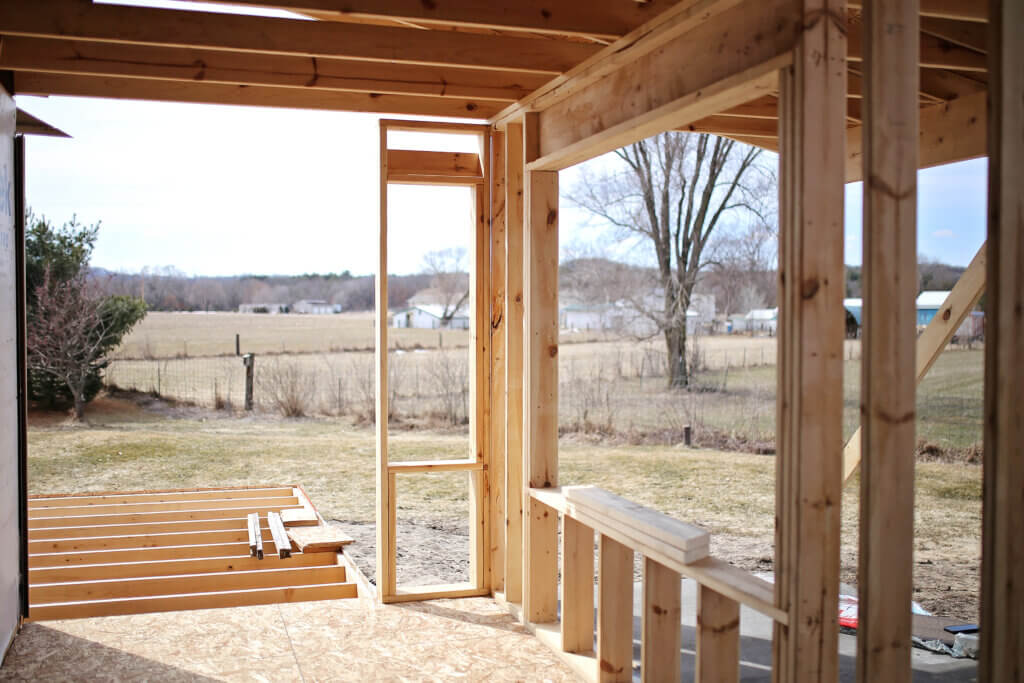
Most Denver homeowners who want more space face the same question: go up or go out? While your goals and budget are key, local property constraints and lot sizes usually play the biggest role in determining which direction your renovation goes.
What Is a Ground-Level Addition?
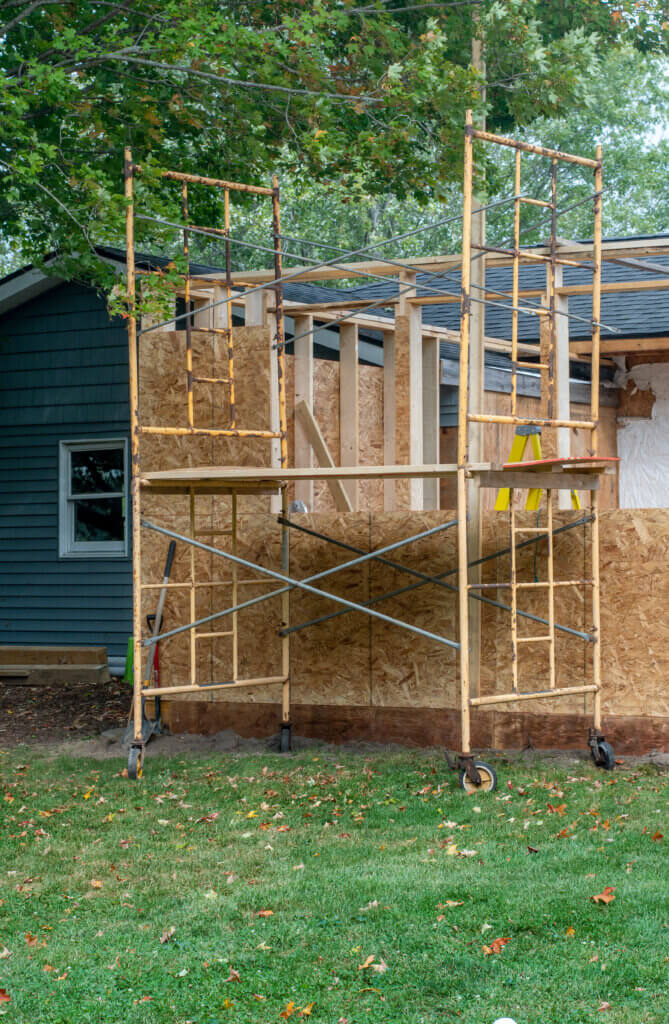
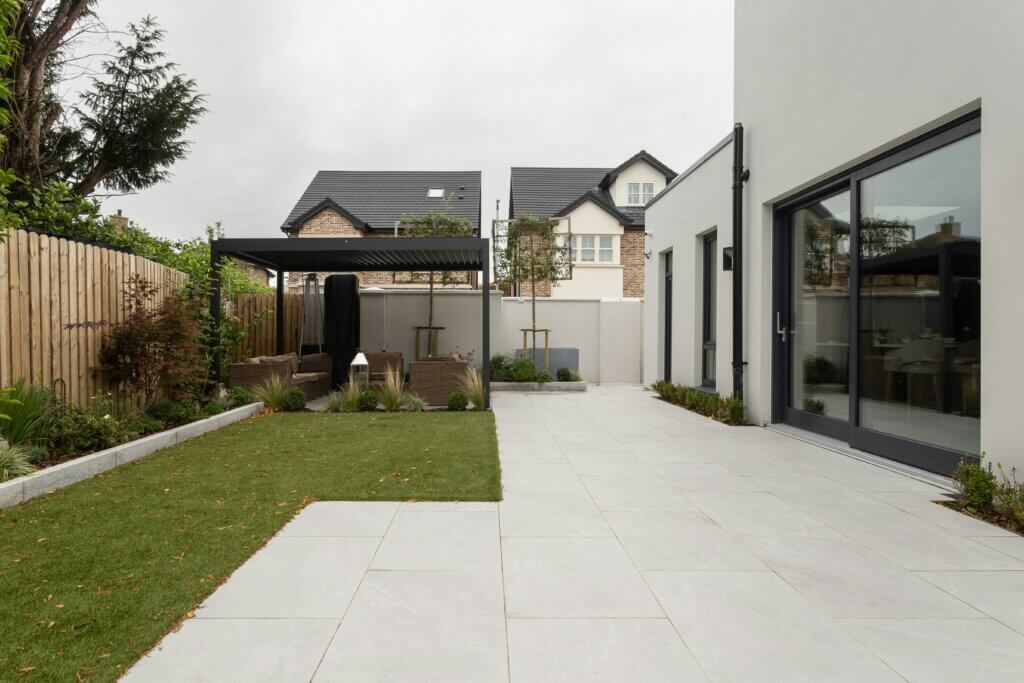
A ground-level addition expands your home outward. You’re extending the existing foundation and structure to create a new living space, whether it’s a primary suite off the back of the house, a mudroom, or another space that connects to the main floor.
It works well when you have enough land to expand without running into setback problems. The challenge in Denver is that lots in older neighborhoods like Park Hill and Wash Park tend to be small. Many have rear setback requirements of five to seven feet, plus side setbacks that can cut into your available build area. If usable outdoor space is already tight, or if you’d rather not give up your yard, going out may be harder to pull off.
What Is a Second Story Addition (Pop Top)?
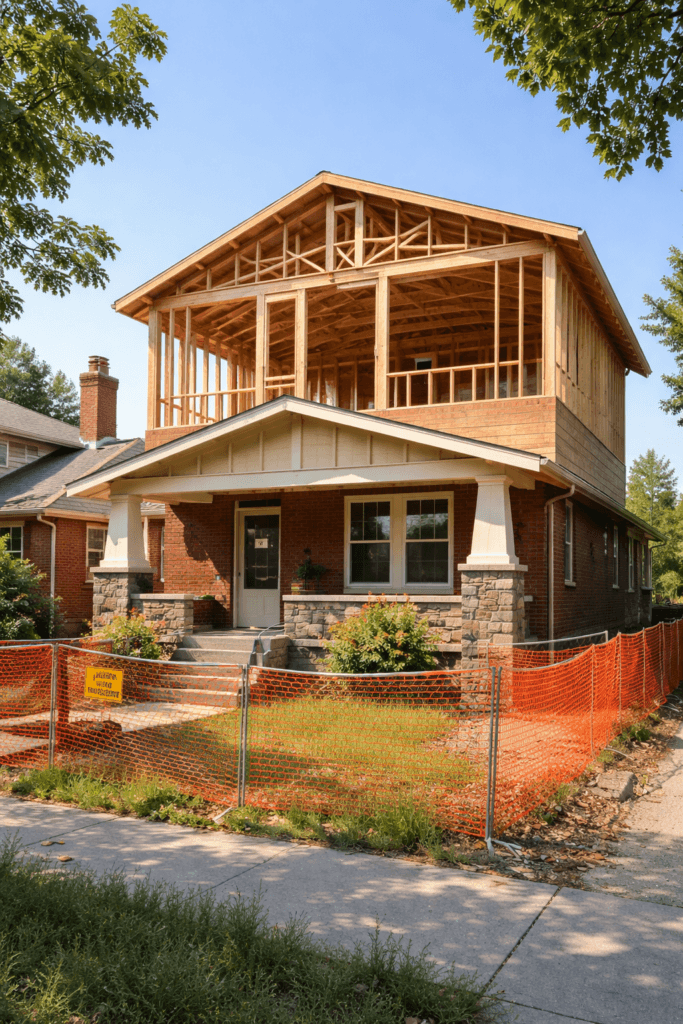
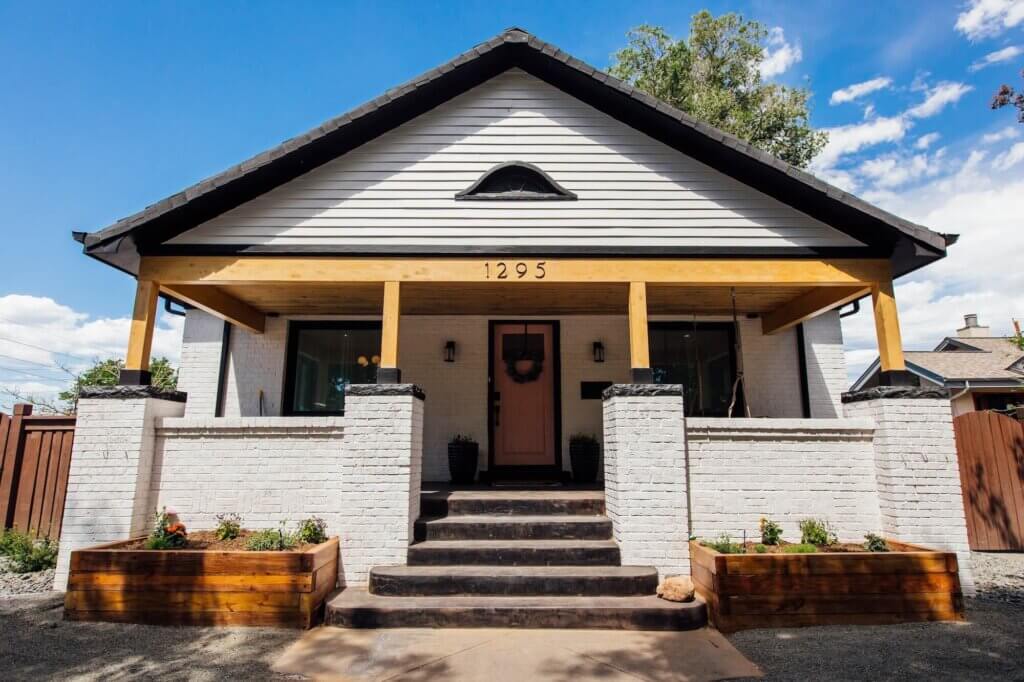
In Denver, a pop top means adding a full or partial second story to a single-story home. You’re building upward, leaving your yard untouched.
Pop tops are common here because so many Denver homes are small, single-story bungalows built in the early 20th century. They have undersized bedrooms, minimal bathrooms, and not much room to grow outward. But the bones are often solid, and a well-executed second floor can transform your home’s usability.
Not every home is a good candidate for a pop top. Older or compromised foundations may need major reinforcement before a second story is viable, and that work adds cost and time. Structural assessments look at your foundation type, the condition of load-bearing walls, and whether your existing framing can handle the extra weight. Sometimes it’s an easy fix, but adding reinforcement scope can drive up your project budget dramatically.
It’s one of the first things a design-build team assesses before you get too far down the road.
How to Decide Which Is Right for Your Home
How much usable lot space do you have?
Pull up your property survey or check with Denver’s zoning office to understand your setbacks. If your lot doesn’t leave much room outside of your current footprint, a ground-level addition may be off the table. If you have the space and are willing to trade some yard for square footage, going out can offer a more straightforward build.
What does your foundation and structure support?
A ground-level addition requires extending or pouring a new foundation. A pop top requires your existing foundation and walls to carry the load of a second story. Neither is inherently more complicated than the other, but both need a structural assessment before you get started.
Denver’s clay-heavy soils can also be a factor in foundation work. That’s one more reason to involve a contractor early rather than designing first and assessing later.
What is your budget?
Ground-level additions are usually more straightforward to build, but the cost per square foot can be comparable to or higher than a pop top. A full pop top involves not only the second story, but a significant gut of your main floor. If that scope is more than you can take on right now, a partial pop top where the main floor stays intact can bring your numbers down.
What kind of space do you need?
Ground-level additions work best for main floor needs, like primary suites, home offices, and expanded living or dining areas. A pop top makes more sense when you need multiple bedrooms or bathrooms, or when you want an upper floor that functions as a private area.
It also helps to think past the immediate project. If you have kids who will want their own floor plan in a few years, or if you’re planning on staying in the home long-term, a pop top may serve your future needs better. On the other hand, a ground-level suite makes more sense if single-floor living is your goal.
Ask yourself what would most dramatically change how you live in your home day to day.
What Each Type of Addition Costs in Denver
For a ground-level addition, a 500-square-foot primary suite—bedroom, full bathroom, and walk-in closet—typically costs between $350,000 and $400,000. A two-story ground-level addition covering roughly 1,000 square feet can reach $550,000 to $600,000 or more.
Pop tops generally cost more. A full 1,000-square-foot pop top with a gut of the main floor can range from $800,000 to $1 million. A partial pop up, where main floor changes are minimal, can come in at $500,000 to $600,000 for a comparable footprint.
Treat these numbers as a starting point. They can shift based on your home’s existing condition and the finishes you choose. For more context on how design-build firms calculate Denver renovation and addition costs, see our home renovation cost guide.
Why the Design-Build Approach Makes Addition Projects Easier
A home addition has a ton of moving parts. Zoning, structural engineering, design, permitting, and construction must stay aligned, and when separate firms are in the mix, things often go sideways at handoff. Miscommunications, schedule gaps, and scope disputes are much more common.
A design-build team handles the full scope under a single agreement. Your engineer, architect, and contractor are working from the same plans and communicating throughout the project. That coordination keeps home addition projects on track and on budget. Learn more about why the design-build approach works.
Get in touch with a top Denver design-build firm to find out which type of addition is right for your home.