
A new year brings fresh possibilities. If you’ve been dreaming about a kitchen remodel or whole-house renovation, there’s no better time to start planning. Good timing and preparation go a long way toward making your project smooth and successful!
Home renovations often feel overwhelming, especially when you’re juggling work, family, and all the details that go into transforming your space. But when you break the process into monthly steps, it’s far less daunting. And if you’re working with a Denver design-build firm, you’ll have expert guidance every step of the way.
Colorado’s unique weather patterns, municipal permitting requirements, and seasonal construction windows all factor into your renovation timeline. Let’s walk through a realistic month-by-month approach to planning your home renovation project this year.
Why Timing Matters for Colorado Home Renovations
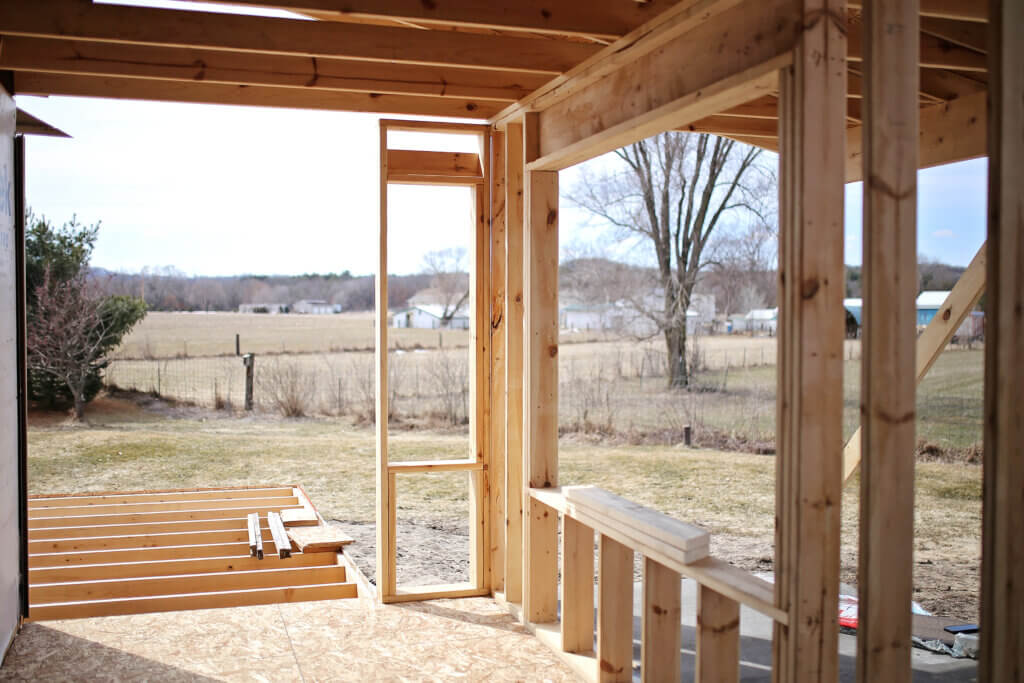
You can’t ignore the Colorado climate when planning a renovation. Our weather patterns directly impact construction schedules—foundation work and exterior projects are much easier when the ground isn’t frozen. Plus, nobody wants to deal with an open roof during a March snowstorm.
Beyond weather, permitting timelines vary significantly across Denver and surrounding municipalities. Some jurisdictions move quickly, while others require 6-8 weeks or more for approval. Material lead times fluctuate, too, particularly for custom elements like cabinets or specialty tile.
A design-build contractor helps you navigate these variables. They understand local permitting processes, know which materials have longer lead times, and can structure your project timeline to avoid weather-related delays. Rushing into a project without proper planning often leads to budget overruns and unnecessary stress.
Your Month-by-Month Renovation Planning Guide
- January-February: Vision and Research
First, define what you’re looking for. Set your project scope and preliminary budget, and identify your must-haves versus nice-to-haves. Recent data shows that the average mortgage holder has about $315K in accessible home equity—a resource worth considering as you map out what’s financially possible for your home renovation.
This is also a great time to research design-build firms in the Denver area and start collecting inspiration. Create Pinterest boards, browse Houzz, and take note of design elements that resonate with you.
- March-April: Selection and Initial Design
Interview potential design-build contractors and ask about their process, timeline expectations, and past projects similar to yours. Once you’ve selected your team, schedule an initial consultation to share your vision and budget.
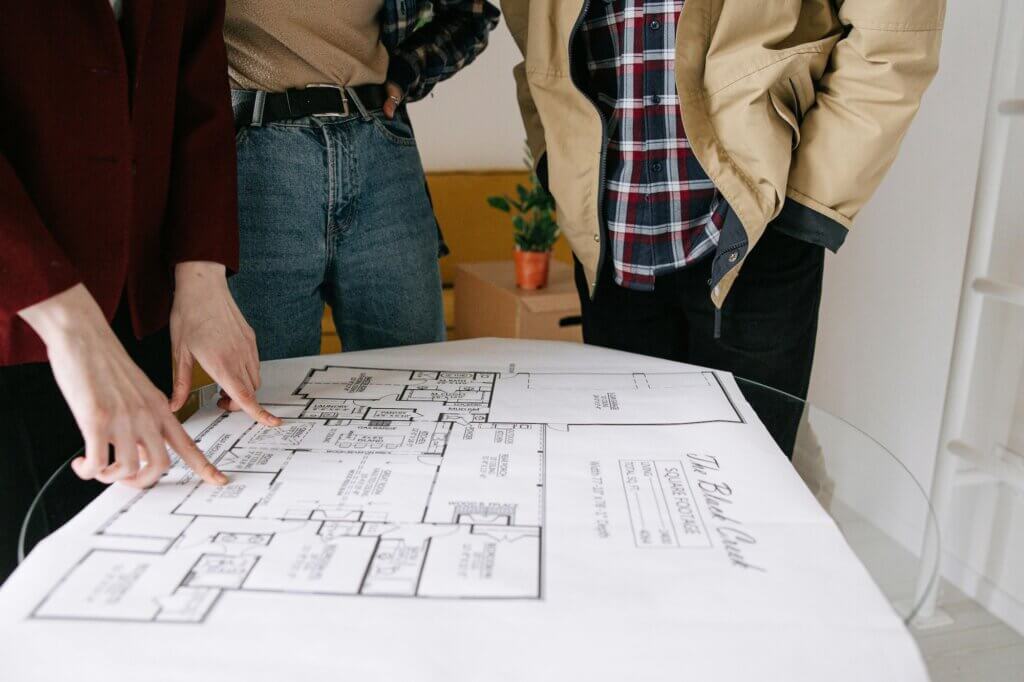
The preliminary design phase begins here, where conceptual ideas start taking shape through sketches and 3D visualizations.
- May-June: Design Refinement and Permitting
Next, you’ll finalize design details, select materials like tile, countertops, and fixtures, and review the comprehensive budget.
After signing your construction contract, your design-build firm submits permit applications. Keep in mind that Denver-area permitting typically takes 4-8 weeks, though this varies by municipality and project complexity.
- July-August: Pre-Construction Preparation
By now, permits should be approved (fingers crossed!). Your team will order any materials with long lead times, and you’ll finalize the schedule and prepare your home and family for the upcoming work.
If you’re doing a kitchen remodel, now’s the time to set up your temporary kitchen space. For whole-house projects, you might need to set up temporary housing.
- September-November: Construction Phase
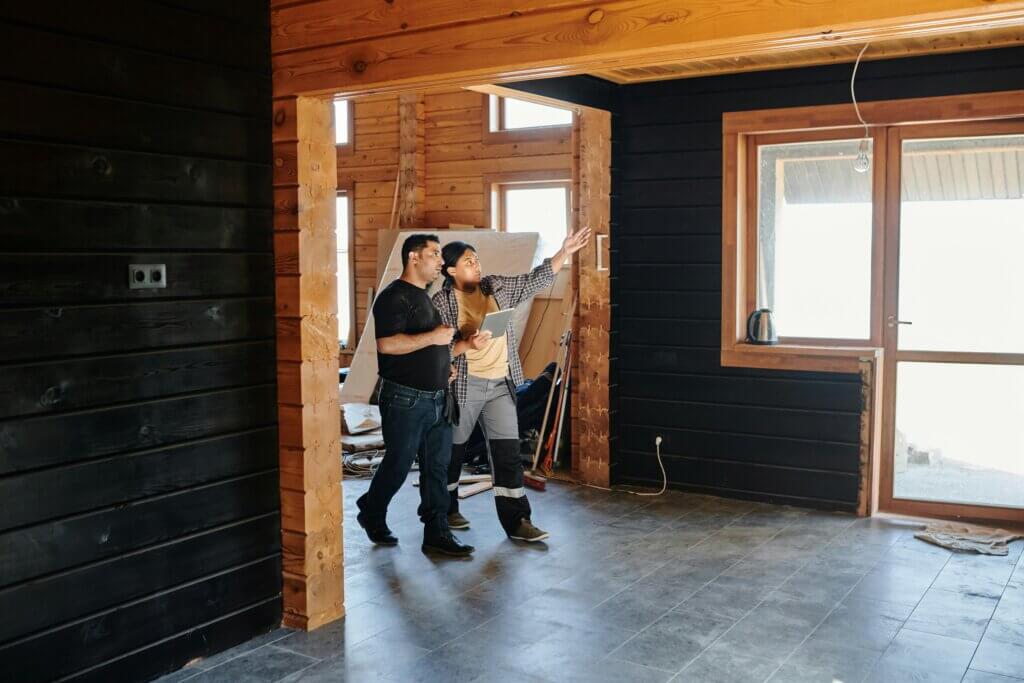
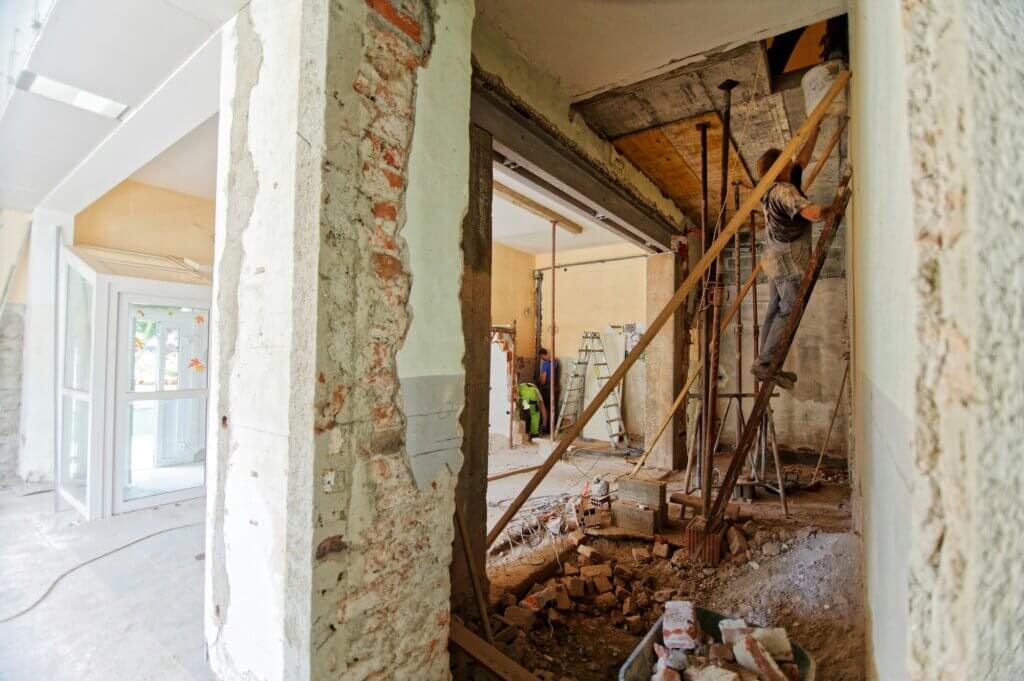
This is the ideal construction window for Colorado projects. You’ll avoid the worst of winter weather while still having time to complete work before the holidays. Expect weekly progress meetings with your design-build team, and stay engaged with the process.
Address any necessary adjustments quickly to avoid delays. Regular communication keeps everyone aligned and the project moving forward.
- December: Completion and Walkthrough
Final inspections take place, punch list items get addressed, and you walk through the completed project with your contractor. This is when you receive warranty information, appliance manuals, and any other relevant documentation.
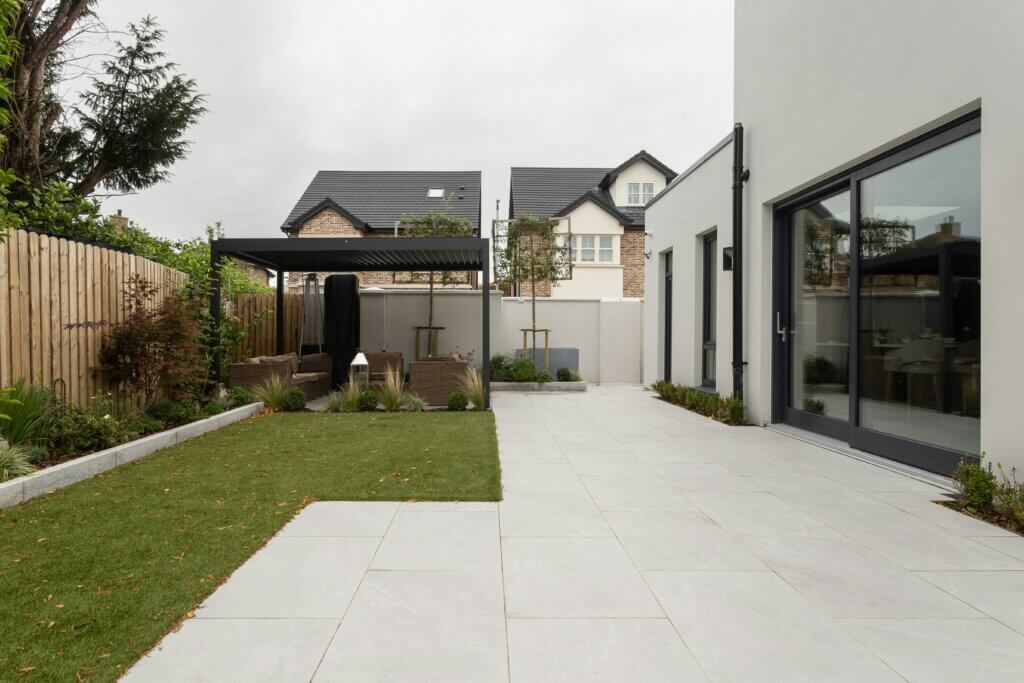
With the right planning, you’ll be ready to enjoy your newly renovated space just in time for holiday gatherings.
Tips for Getting Through Your Renovation with Your Sanity Intact
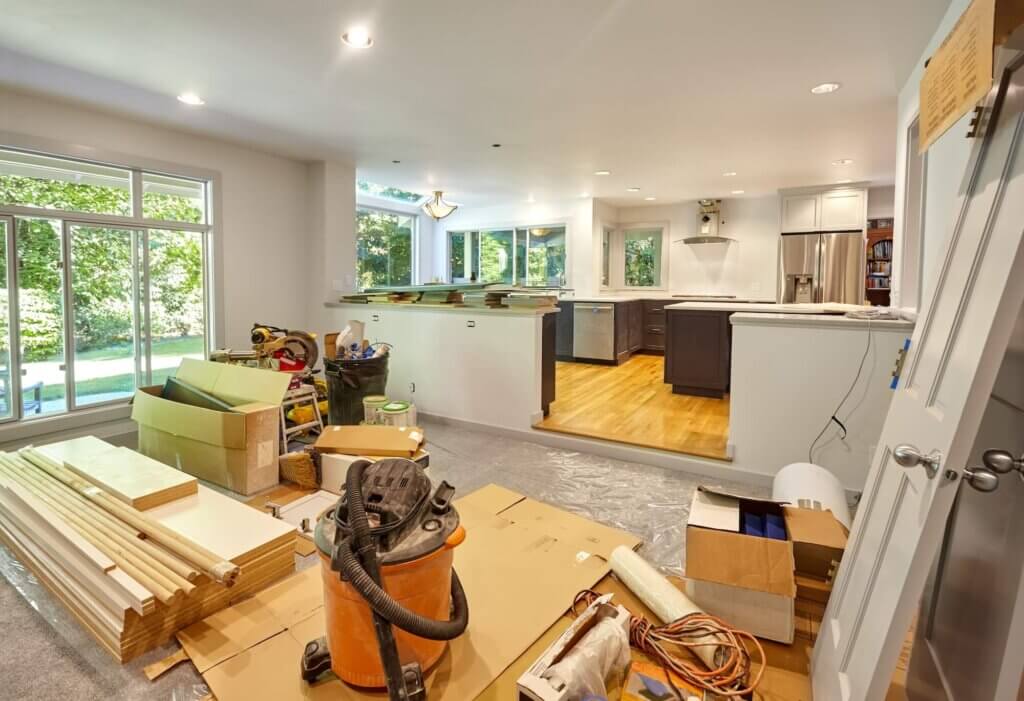
- Set up a temporary kitchen if you’re remodeling your cooking space. A microwave, mini-fridge, and coffee maker in another room make a big difference. Stock up on paper plates and prepare yourself mentally for simpler meals or more takeout.
- Establish a communication routine with your design-build contractor. Weekly check-ins keep you informed without constant text messages or site visits. Trust that your contractor will reach out if something urgent comes up.
- Create a ‘construction-free’ zone in your home where you can retreat from the dust and noise. This is important if you’re living on-site during the renovation.
- Build in buffer time. Projects rarely finish early, so plan for timelines that are 10-15% longer than estimated. You’ll avoid disappointment and reduce your stress levels.
- Make decisions early. Last-minute material changes cause delays and budget overruns. Lock in your selections during the design phase and stick with them.
- Keep kids and pets safe by setting clear boundaries around construction areas. Talk with your contractor about safety before the work begins.
- Order takeout guilt-free. Renovations are temporary. Give yourself permission to simplify meals and reduce household responsibilities while construction is happening.
- Trust the process. When you’re working with a design-build firm, you have experienced professionals to manage the details. Let them do their job.
Why the Design-Build Approach Simplifies Your Timeline
The design-build model streamlines your entire renovation timeline. Instead of coordinating between separate architects, designers, and contractors, you have one unified team and a single point of contact from start to finish. Design and construction professionals collaborate from the start of your project, which means fewer delays and smoother transitions.
Quality control is built into the design-build process, reducing the likelihood of mistakes that cause costly delays. Design-build projects have 3.8% less cost growth, and they’re completed up to twice as fast as traditional design-bid-build projects.
When everyone’s working toward the same goal with clear communication, your project stays on track.
Start Planning Your 2026 Project Today
No contractor can eliminate the disruption of a home renovation project—that’s unavoidable. But the right design-build team can contain the disruption, manage it, and get you through it faster than you’d experience with a traditional approach.
If you want your 2026 renovation to wrap up on schedule with minimal drama, start planning today.
Get in touch with a top Denver design-build firm to start planning your 2026 home transformation.