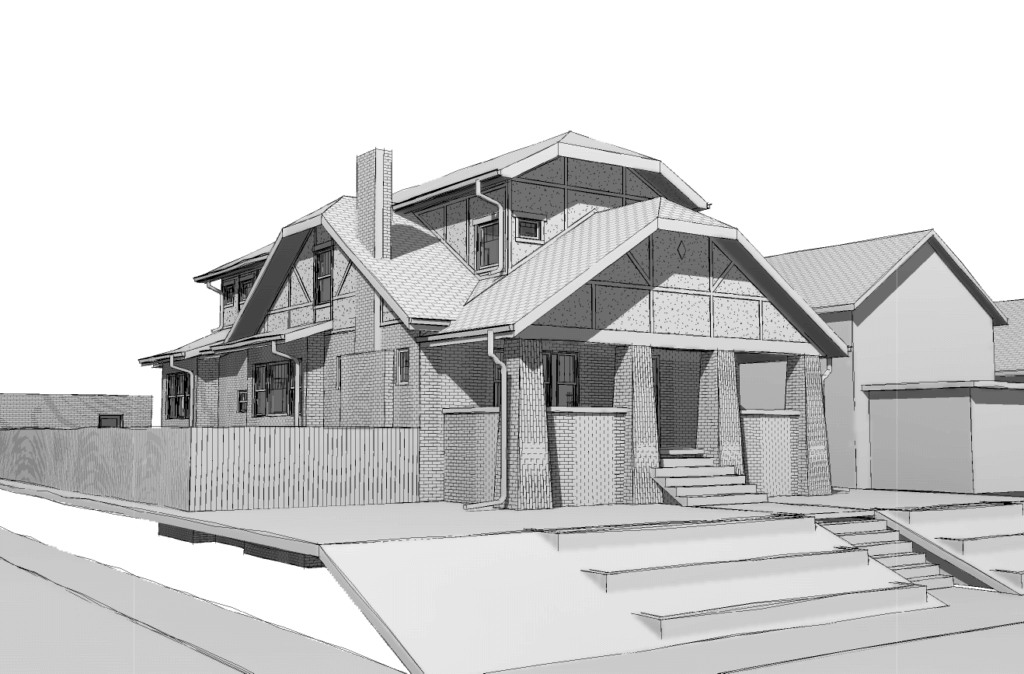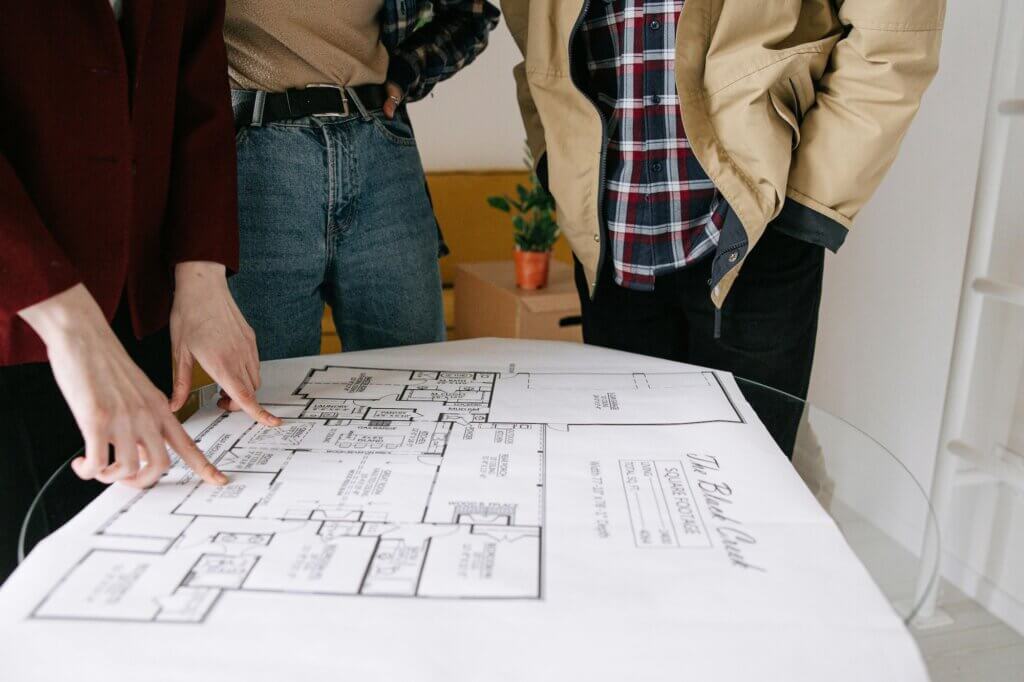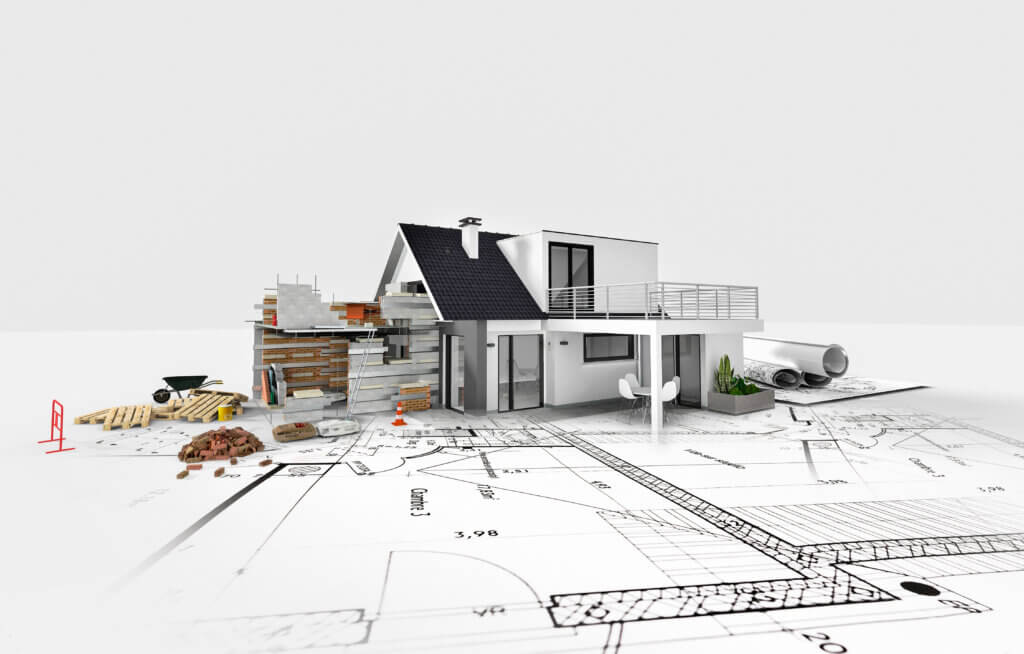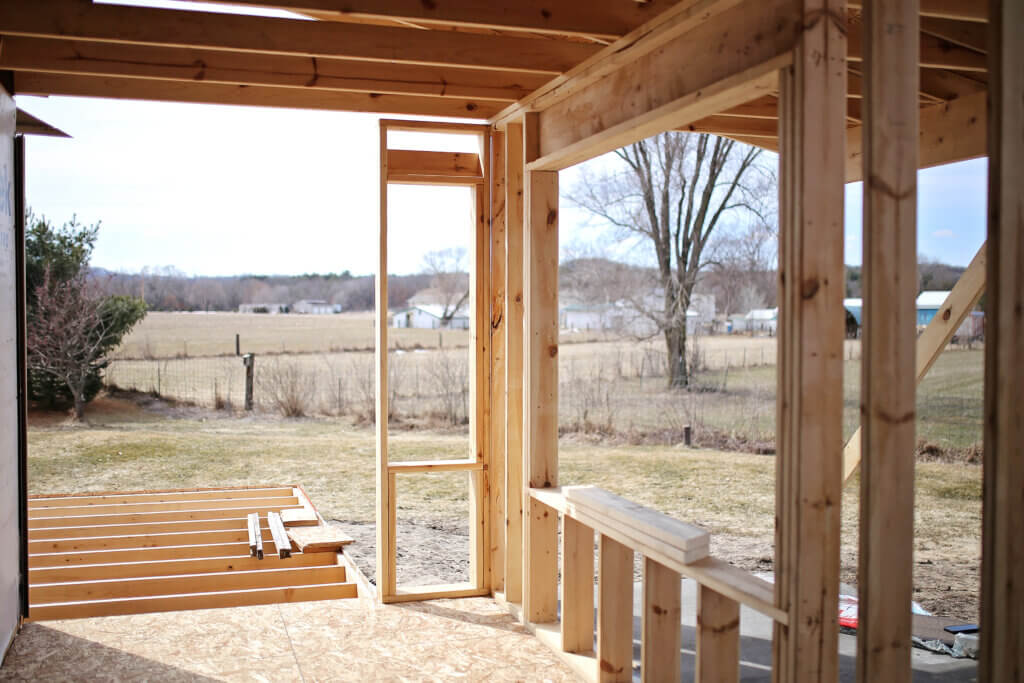


When you’re investing in a home remodeling project or building a custom home in Colorado, there’s one document that can make or break your experience: the contract. Working with a design-build construction firms is a popular choice among Denver-area homeowners for the simplicity and efficiency they bring, so we want to walk you through how contracts for design-build contracts work.
What all does this type of contract include, and what should you look out for? Let’s break it down so you can be confident before starting work on your home.
What Is a Design-Build Contract?
A design-build contract is a single agreement that covers both the design phase (architecture, interior layouts, selections) and the construction phase (permits, materials, labor, and the build itself).
Instead of juggling contracts with an architect, a general contractor, and potentially a designer, everything is bundled under one roof. This means one point of accountability, one streamlined process, and often fewer surprises.
Typical Elements of a Colorado Design-Build Contract
1. Scope of Work
The scope outlines exactly what your project includes:
- Demolition or site prep
- Structural work (framing, foundation, additions)
- Electrical, plumbing, HVAC upgrades
- Finish selections like cabinetry, tile, lighting
The more detailed, the better. This part of the contract sets clear expectations and protects you from scope creep or misunderstandings down the road.
2. Project Timeline & Milestones
Your contract should lay out an anticipated timeline, including key phases like:
- Design finalization
- Permit approvals
- Groundbreaking
- Framing, mechanical rough-ins, inspections
- Interior finishes and punch list
Because we’re in Colorado, good contracts also account for weather delays and permitting backlogs that can vary by city.
3. Allowances & Selections
Most design-build contracts include “allowances,” which are budget line items for things you’ll choose later (like countertops, appliances, or light fixtures). A quality design-build team will guide you through selections to stay on budget and avoid costly upgrades that blow past allowances.
4. Pricing & Payment Schedules
Common pricing structures include:
- Fixed price: A lump sum for the complete project.
- Cost-plus: You pay actual costs plus an agreed-upon fee or markup.
- Guaranteed Maximum Price (GMP): A cap that protects you from overruns.
Your contract should clearly spell out how payments work. Typically, payments are tied to project milestones, like after drywall or cabinetry install.
5. Change Orders
Want to upgrade to premium cabinets mid-project? Or move a wall? Your contract should outline how change orders are priced, approved, and how they affect the timeline.
6. Warranties & Post-Construction Support
A strong design-build contract includes warranties on workmanship and major systems. It should also specify a final walkthrough, punch list corrections, and how post-project issues get resolved.
Special Colorado Considerations
Colorado brings unique factors that your contract should reflect. Examples include:
- Soil conditions (especially along the Front Range, where expansive clay soils can affect foundations)
- Snow load and wind design requirements
- Wildfire mitigation in mountain or foothill communities
- Energy codes that vary by municipality (Denver’s new stricter green building standards, for instance)
A seasoned local design-build firm will ensure your contract anticipates these requirements.
Red Flags to Watch For
A contract is your roadmap and your protection in your home remodeling project or new home build. Make sure to not overlook any details. Some key things to look out for include:
- Vague descriptions of work or exclusions
- Missing details on change order pricing
- No mention of permitting or who’s responsible for inspections
An unclear process for resolving disputes
Why a Good Design-Build Contract Matters
When you work with a reputable Colorado design-build firm, the contract is your biggest safeguard. It keeps your budget in check, outlines exactly what you’ll get, and ensures the team delivering your project is accountable from start to finish.
That’s why so many Denver homeowners prefer design-build over the traditional approach: it removes finger-pointing between designer and builder and puts everyone on the same team.
Ready to explore your options?
Reach out to a design-build firm that can help you create a home that works for your family and your lifestyle.