
If you’re planning a major remodel or custom home in Colorado, you’ve probably heard stories about red tape, tricky zoning rules, or failed inspections. Across all the cities and counties with their own different requirements, Colorado’s local building codes and permitting requirements can be a maze.
That’s why more homeowners are turning to design-build firms: not just for great results, but to steer the project through complex regulations. Let’s look at how working with a design-build team helps you navigate from the first permit to the final punch list, headache-free.
Why Colorado Building Codes Can Be Challenging

Unlike some states with more uniform rules, Colorado hands a lot of power to cities and counties. This means that Denver, Boulder, Fort Collins, and all other metro cities and mountain towns all have their own building codes, energy efficiency standards, and permitting processes.
For instance, in the foothills, you may need special wildfire mitigation plans. Or some mountain towns might require structural engineering for snow loads. Working with a partner who is well versed in these various municipality permitting and codes can help you avoid permit denials, costly delays, and other expensive fixes after inspections.
How a Design-Build Firm Streamlines the Process
1. Initial Site Assessment & Feasibility
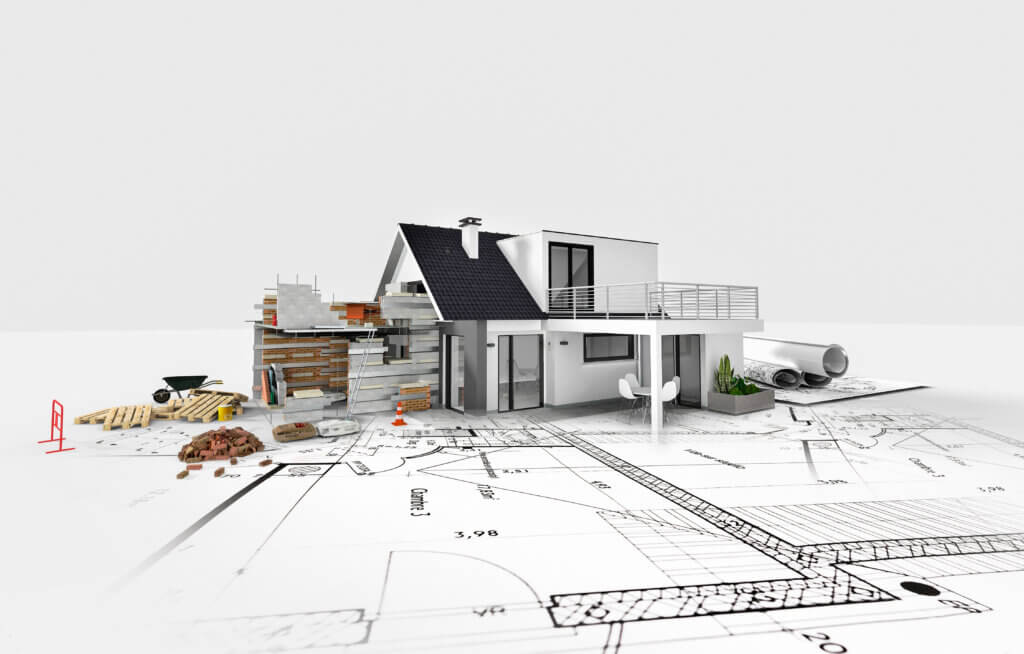
Before you invest in full designs, a design-build team checks local zoning, setbacks, lot coverage rules, and any unique overlays like historic districts or fire hazard zones.
2. Designing to Code from Day One
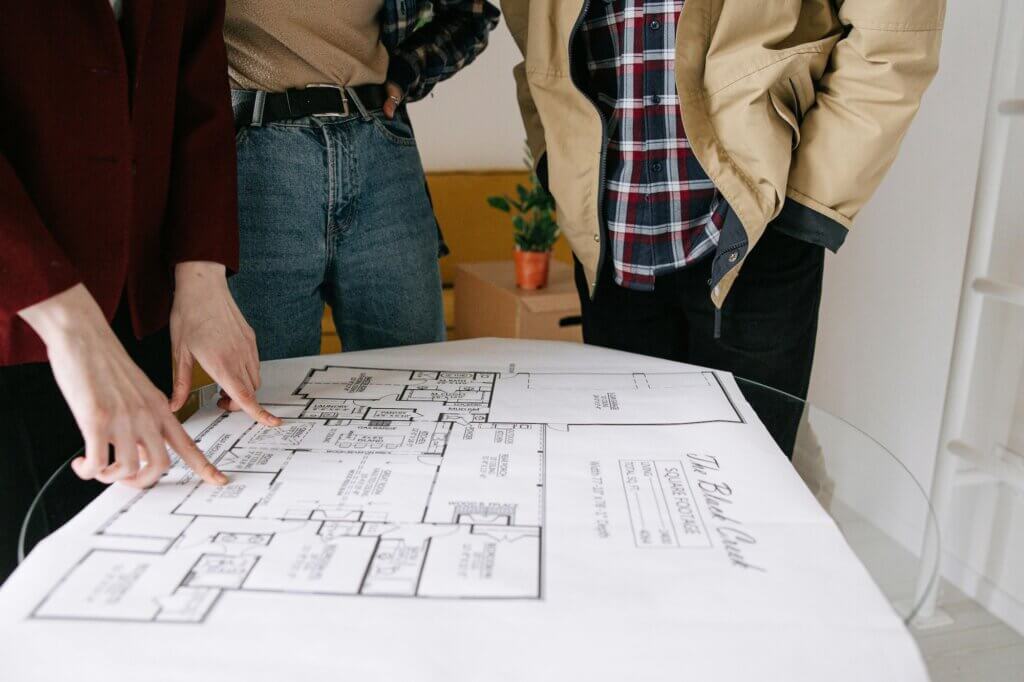
Because the designers and builders are on the same team, they collaborate to ensure plans meet local building requirements. That means fewer revisions and fewer surprises once your project is in the construction phase.
3. Managing Permits & Approvals
Navigating Denver’s e-permits or submitting detailed site plans to Boulder’s planning department can be overwhelming. Your design-build team handles all submissions, responds to city comments, and keeps the approval process on track.
4. Scheduling & Managing Inspections
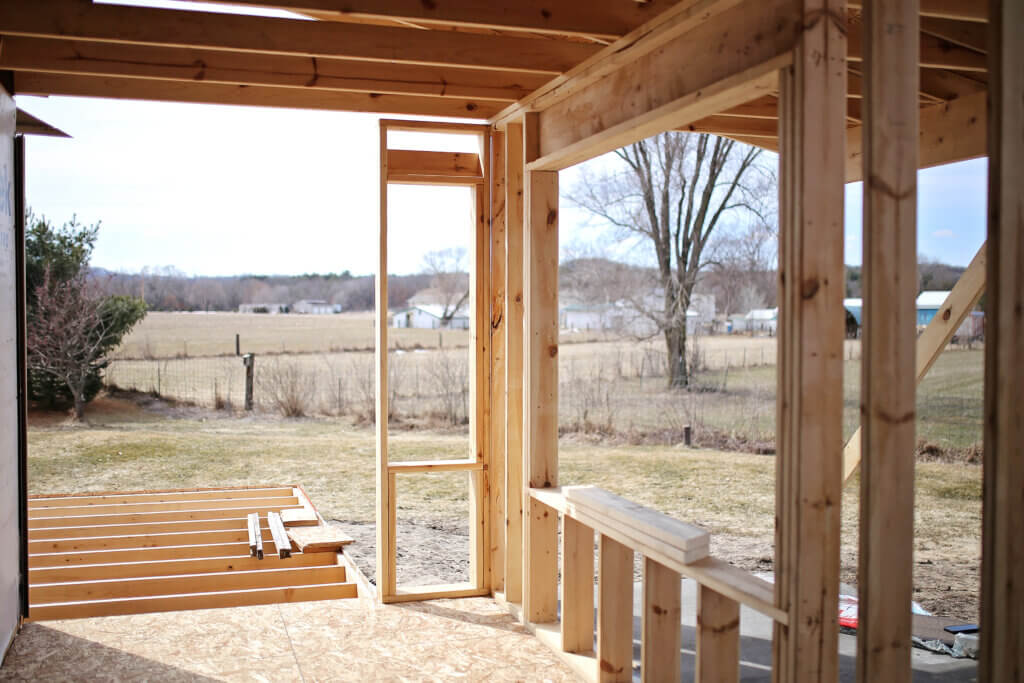
Inspections in Colorado aren’t just a final step. They happen throughout construction: after excavation, framing, electrical rough-ins, insulation, and more. Your design-build project manager coordinates these inspections, so you’re never left scrambling or wondering if your project’s on hold.
Common Colorado Code & Inspection Hurdles
Soil Tests: Many Colorado counties require geotechnical reports to address expansive soils.
- Energy Codes: Denver’s newer green standards demand extra attention to insulation and HVAC specs.
- Fire Requirements: In mountain or wildfire-prone areas, you may need Class A roofing, non-combustible siding, or defensible space plans.
A knowledgeable design-build team designs and builds to these specs, preventing costly rework after inspections.
Punch List & Final Inspections
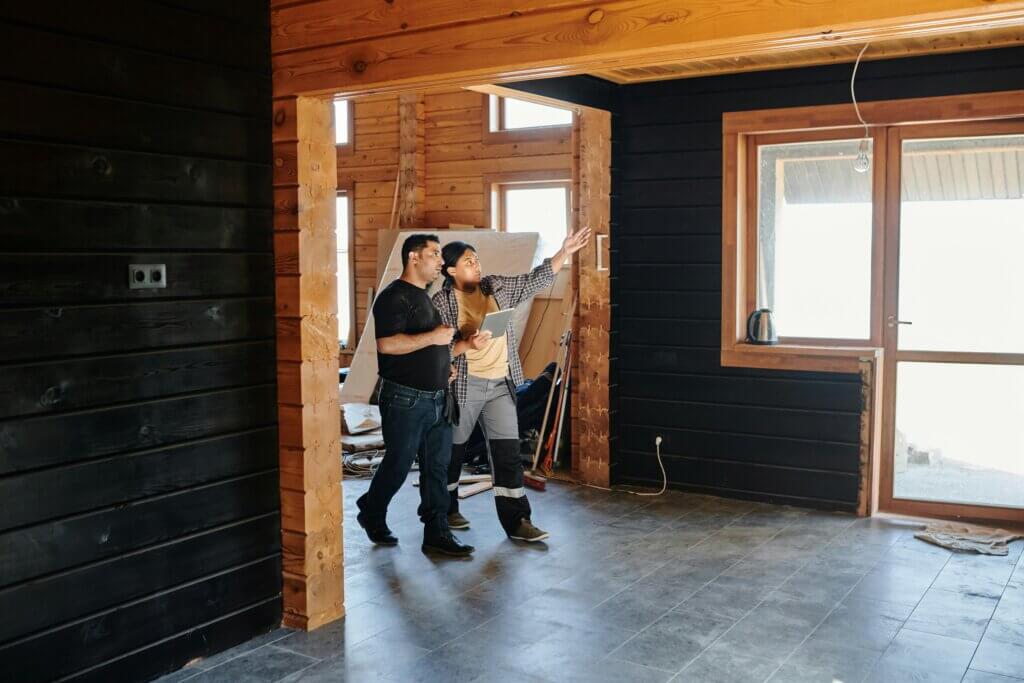
The last phase is the punch list, a final walkthrough to catch minor fixes or adjustments before the project is officially complete. Your design-build team ensures any items are quickly resolved, so your final inspection goes smoothly and you get that coveted certificate of occupancy.
How a Design-Build Firm Makes Permitting & Code Compliance Easier for Homeowners
A single point of accountability
No finger-pointing between architects and builders if a plan doesn’t pass inspection.
Local expertise
Firms rooted in Colorado know exactly what your county’s inspectors look for.
Streamlined process
Throughout the entire project from design concepting to final walk through, one team manages everything, which offers homeowners top-notch quality control and a stress-free experience.
Ready to explore your options?
Reach out to a design-build firm that can help you create a home that works for your family and your lifestyle.