
If you’ve ever tried to Google ‘how much does a kitchen remodel cost,’ you know the frustration. You’ll find huge ranges—from $15,000 to $150,000—or estimates pulled from national averages that don’t reflect the Denver market. Throw in a few hours of watching home renovation shows, and you’ve got a recipe for sticker shock when you finally start talking to contractors.
Home renovation costs in Denver are higher than national averages. They’re influenced by many local factors, including the age of Denver’s historic homes, fluctuating material costs, and local labor markets. But that doesn’t mean you have to fly blind.
Let’s break down some real-world cost ranges for the most common home renovation projects in the Denver area, so you can walk into your first contractor conversation with realistic expectations.
Why Denver Renovation Costs Are What They Are
Before we get into numbers, we’ll talk about what drives costs. Many of Denver’s most desirable neighborhoods—Wash Park, Congress Park, Park Hill, Platte Park—have homes that are 80 to 100+ years old.
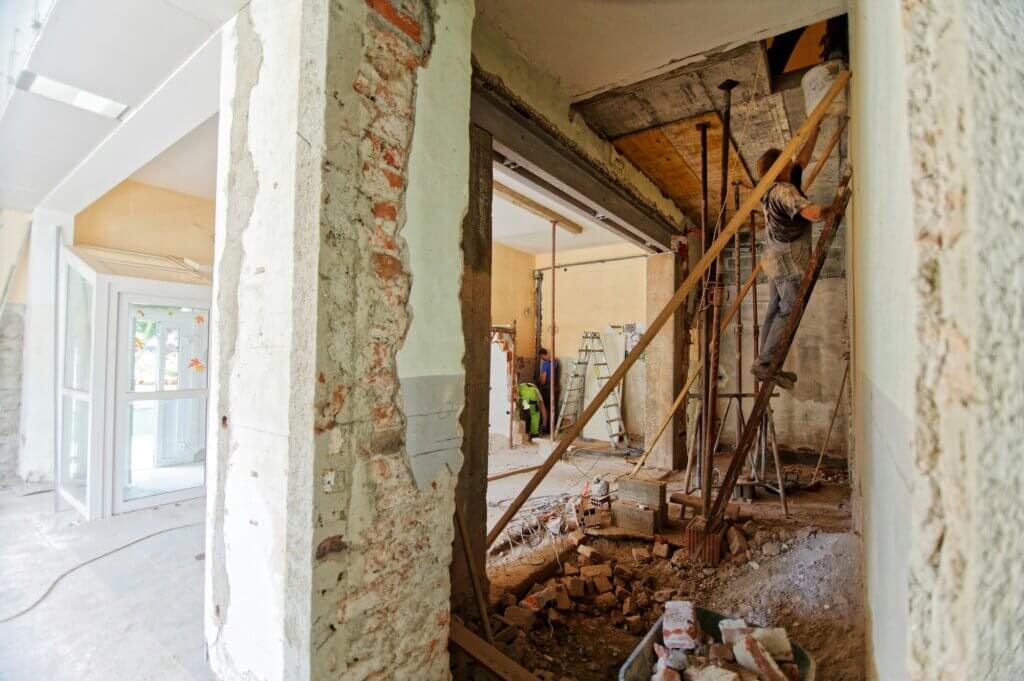
These homes are beautiful, but they can be complex. Older homes often have outdated electrical panels, galvanized plumbing, insufficient insulation, and structural quirks you won’t find in newer construction. When you open up walls, you find out what you’re really working with.
Labor costs in Denver also reflect a competitive, skilled-trades market. Quality tradespeople are in high demand and priced accordingly. But if you’re getting quotes that seem ridiculously low, ask questions before you sign.
Denver Renovation Cost Ranges by Project Type
When creating these ranges, we factored in mid-level finishes. They aren’t bargain-bin materials, but they’re not fully custom either. Projects in these ranges would include things like quality quartz countertops, solid cabinet boxes, and well-made fixtures.
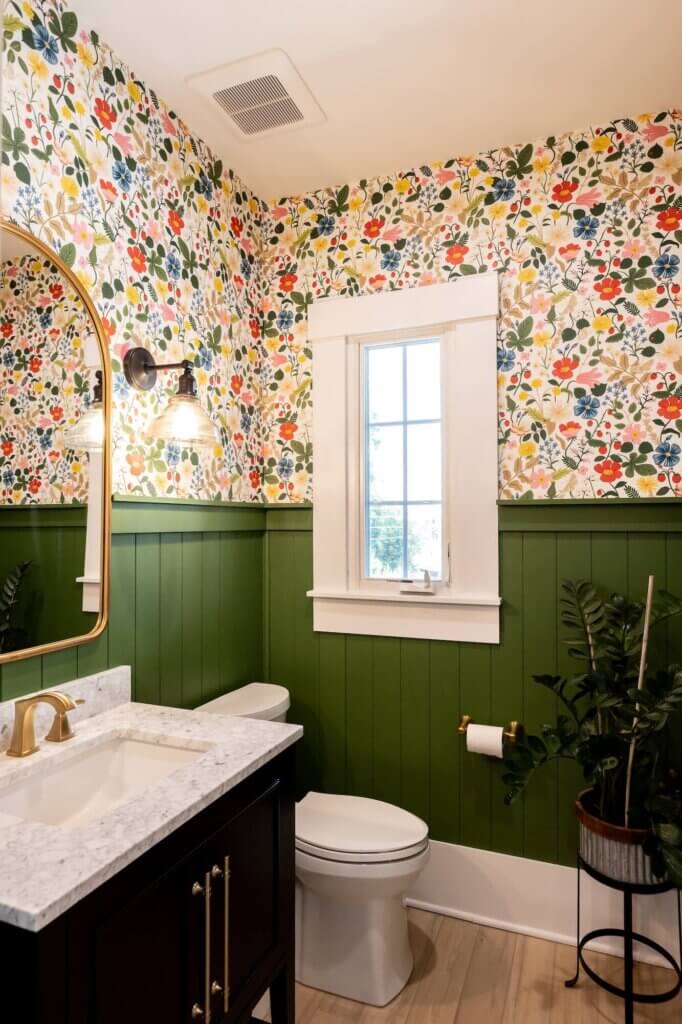
Hall Bathroom Remodel
A hall bathroom remodel is one of the more straightforward project scopes. It’s a worthwhile investment—midrange hall/guest bathroom remodels in Denver return roughly 70 to 80 percent of their cost.
Project Timeline: ~6 weeks
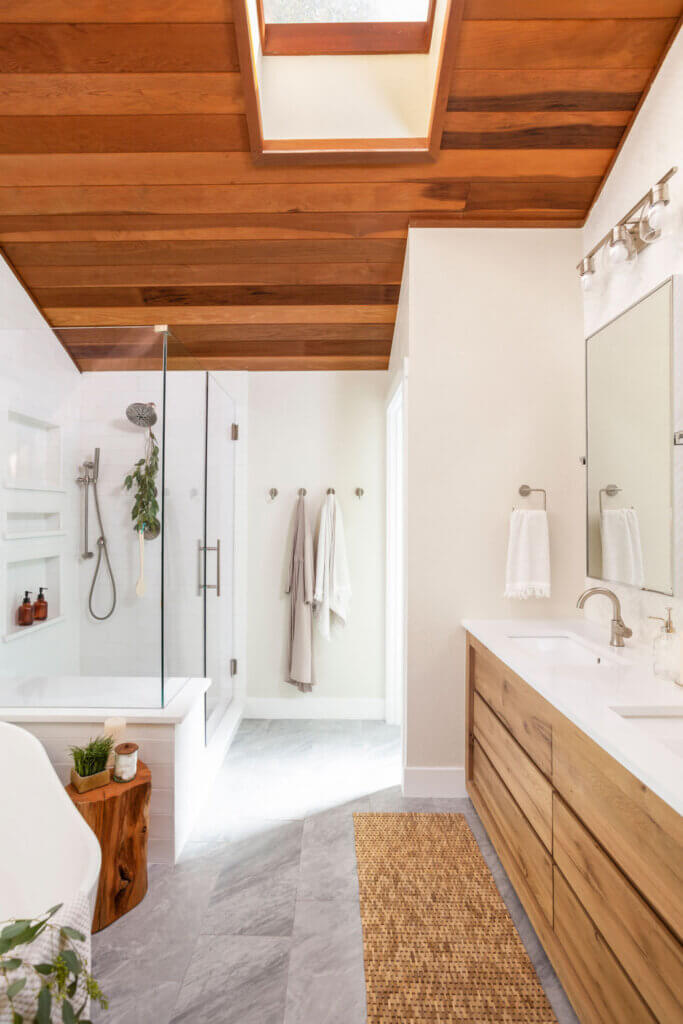
Primary Bathroom Remodel
A five-piece primary bath with a walk-in shower, soaking tub, dual vanities, and quality tile work costs between $80,000 and $120,000 for most Denver homeowners. Luxury finishes like steam showers, radiant heat floors, and custom millwork can push that number to $130,000 or beyond.
Project Timeline: ~8 weeks
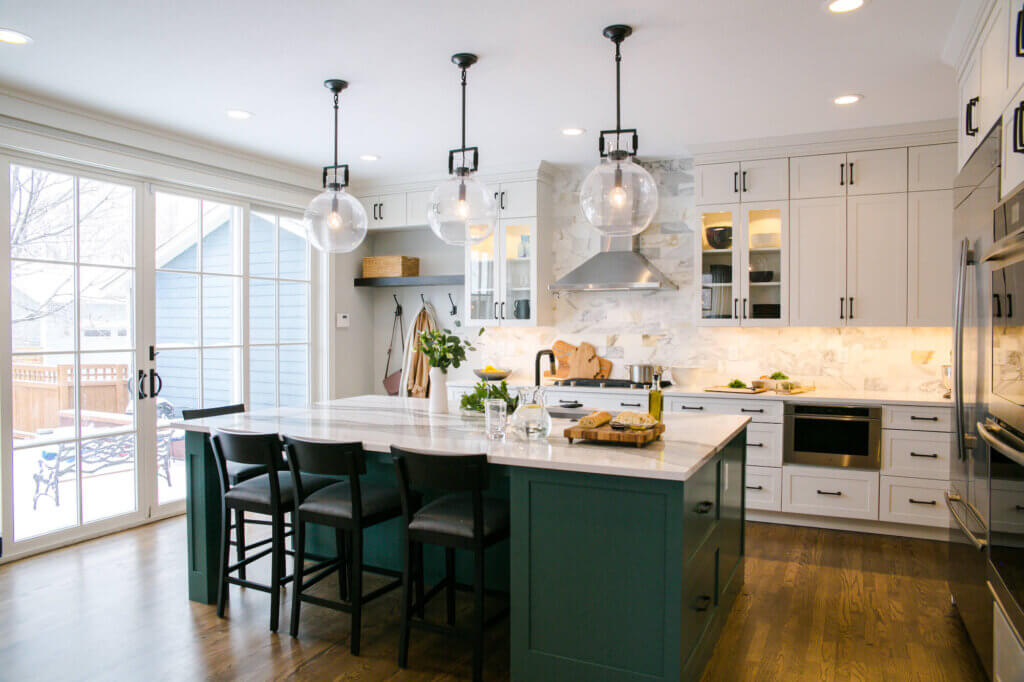
Kitchen Remodel
In a historic Denver home, a kitchen remodel is rarely limited to the kitchen. Most projects in the 900 to 1,200 square foot range include opening walls, updating electrical and HVAC, installing new flooring throughout the main level, refreshing a hall bathroom, updating trim, and adding fresh paint.
That’s why the cost range is a little wider—$180,000 to $280,000—depending on scope and finishes.
Project Timeline: ~13-20 weeks
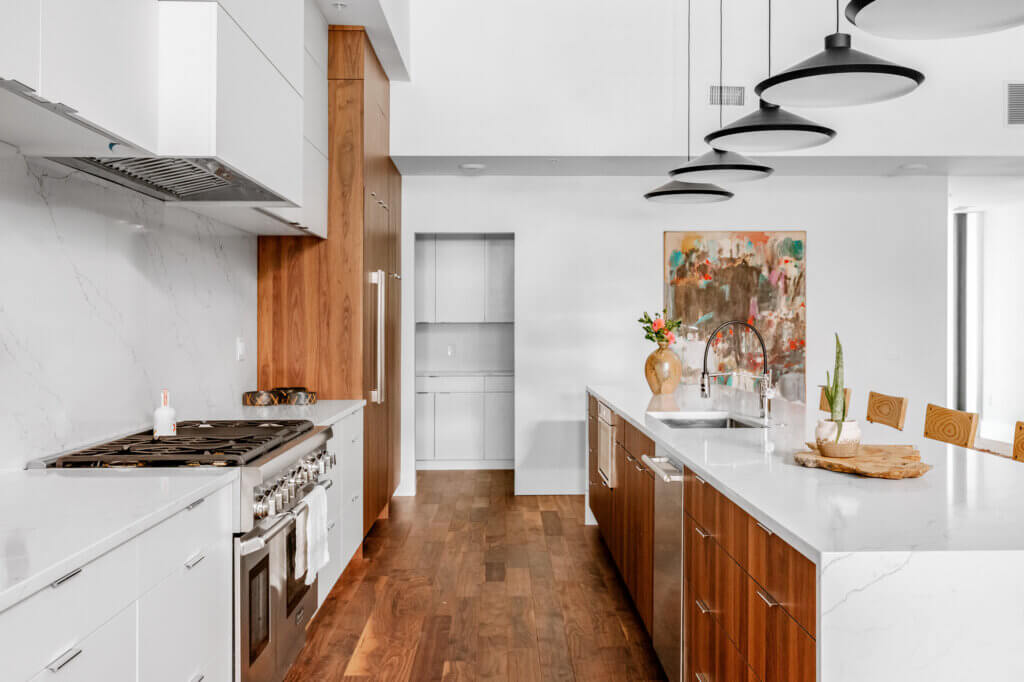
Luxury Kitchen
If you envision custom cabinetry, Sub-Zero appliances, marble countertops, and a layout that requires moving structural walls, budget in the $300,000 to $500,000 range. Cabinetry alone can run between $50,000 and $100,000 at this level. Appliances add another $40,000 to $70,000.
Project Timeline: ~16-24 weeks
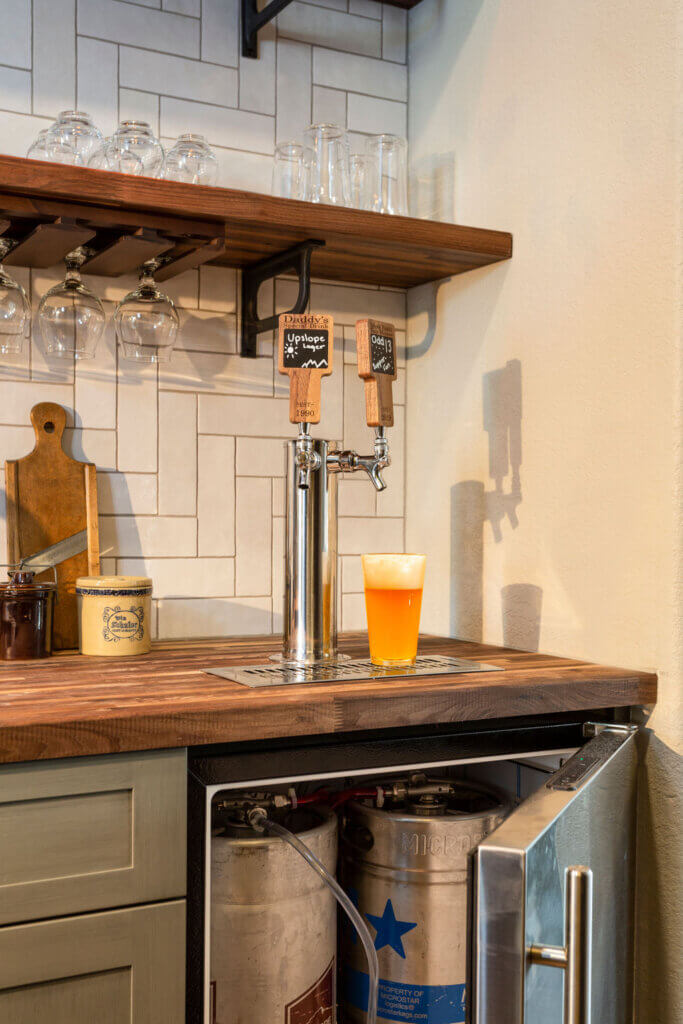
Basement Finish or Remodel
A finished basement in Denver often costs around $200 per square foot. But that figure decreases as square footage increases. A 1,000-square-foot historic basement with a bedroom, bathroom, and two egress windows comes in at around $200,000. If you add a wet bar or theater room, costs climb accordingly.
Project Timeline: ~12-16 weeks
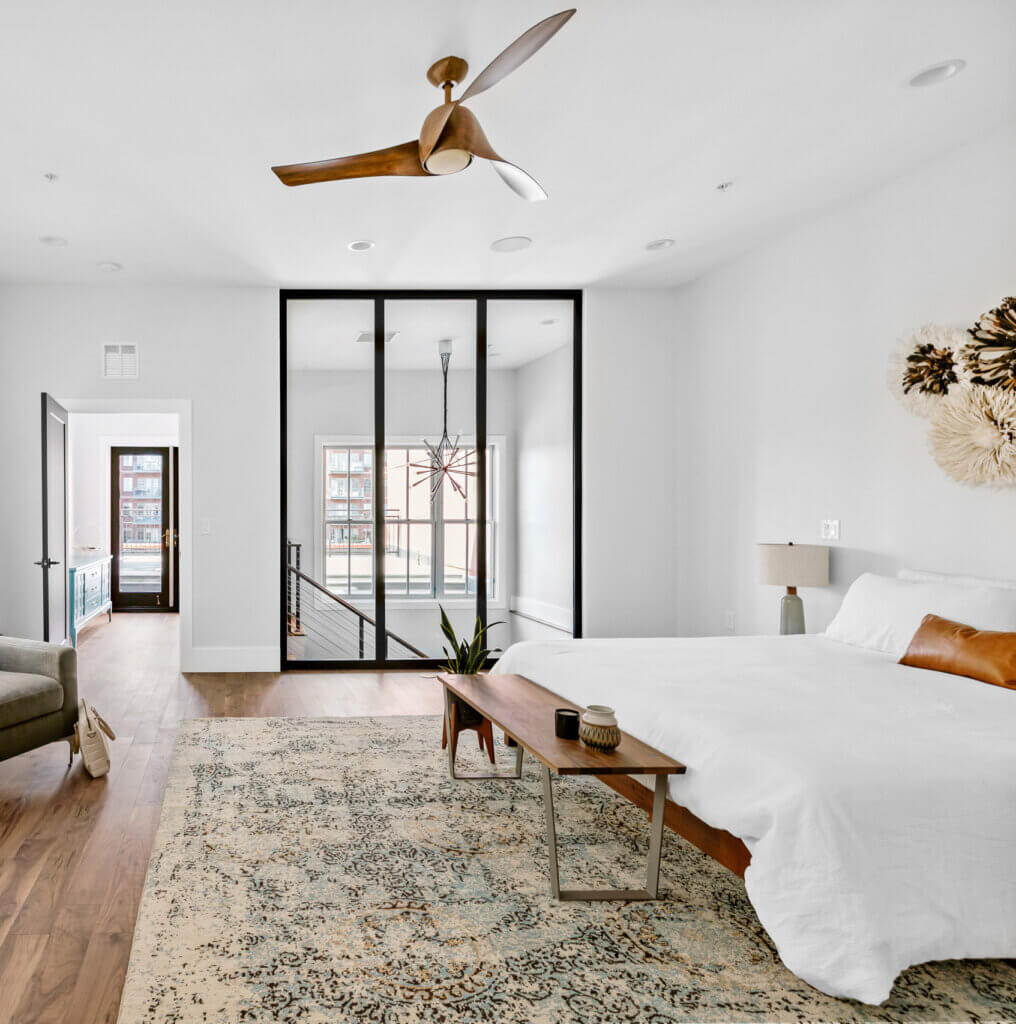
Primary Suite Addition
A ground-level primary suite addition, which typically includes a five-piece bath, a walk-in closet, and a 15×15 bedroom, runs around $375,000. A two-story addition (a family room below, primary suite above, totaling around 1,000 square feet) will bring your total to around $550,000 to $600,000.
Project Timeline: ~20-28 weeks
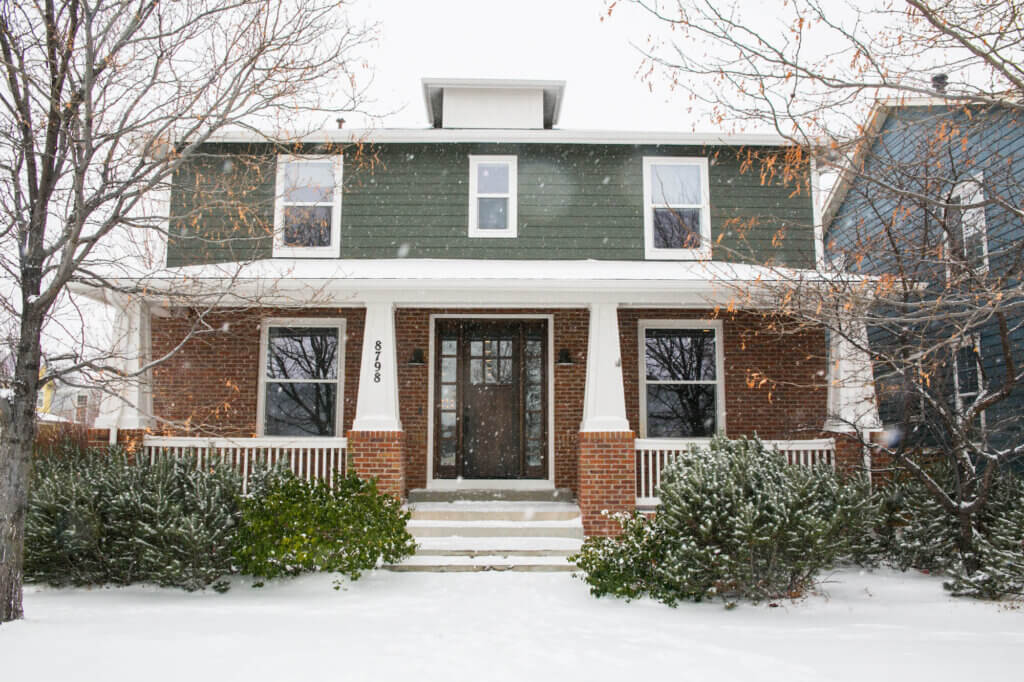
Pop-Top Addition
A full pop-top is closer to a new build in cost and complexity. A 1,000-square-foot second-story addition with three bedrooms and two baths, paired with a main-floor gut, typically runs $800,000 to $1,000,000.
A partial pop-top, where the main floor is mostly left intact, can bring that down to $500,000 to $600,000.
Project Timeline: ~24-48 weeks
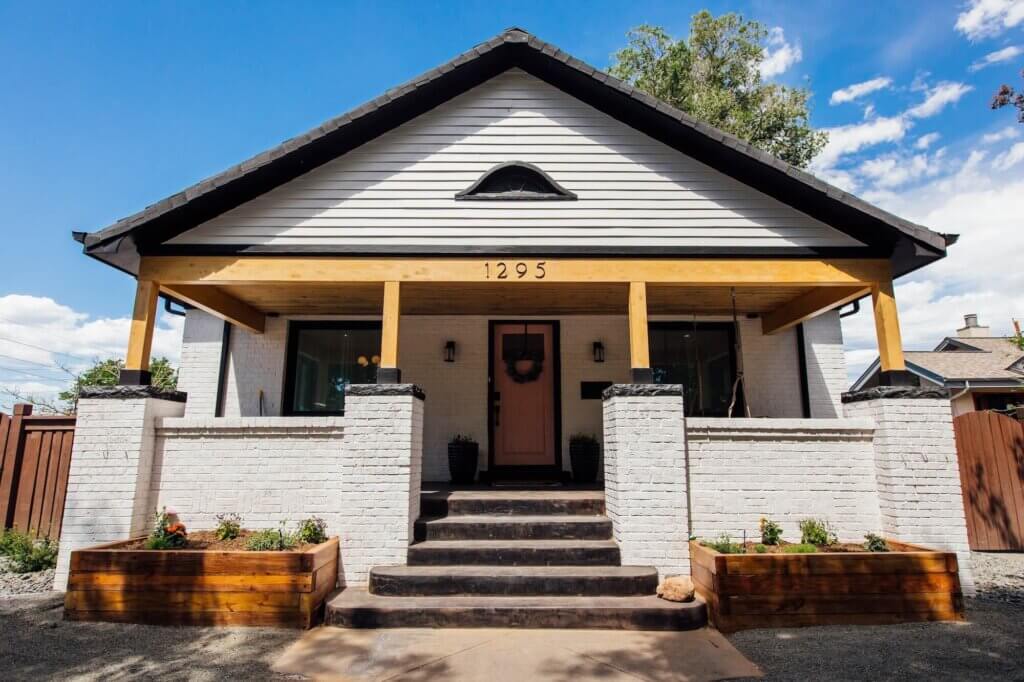
Historic Home Gut
Gutting a historic Denver home is a major investment, but it’s often the most sensible path forward. Budget $300 to $400 per square foot for a full gut that includes new electrical, plumbing, mechanical, windows, siding, and a complete interior buildout.
For example, a 2,000-square-foot home in Wash Park typically runs $700,000 to $800,000.
Project Timeline: ~28-32 weeks
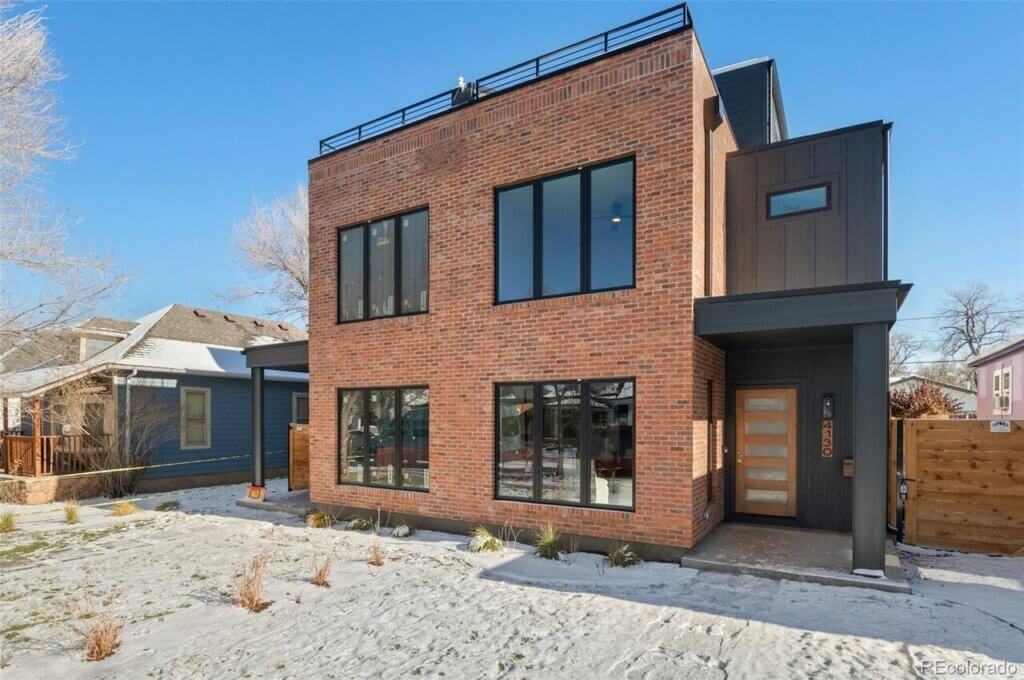
New Build
A standard 3,000-square-foot, four-bedroom, four-bathroom new build is roughly $1.4 to $1.5 million, not including land. Larger or feature-rich homes cost more: a 5,000-square-foot home is around $2 million. Higher-end finishes and whole-home automation packages can add $100 to $200 per square foot.
Project Timeline: ~40-52 weeks (moderate-sized home); ~18-24 months (custom home over 5,000 square feet)
What Will Affect Your Final Number
It sounds cliché, but every project really is different. Certain factors—many of them outside of your control—can drive the price up or down.
Your Home’s Existing Condition
When you open up walls in a 100-year-old bungalow in Park Hill or a craftsman in Platte Park, you might get more than you bargained for. Knob-and-tube wiring, galvanized pipes, and structural issues you can’t see from the surface all have to be addressed before construction begins. These are code requirements that add cost.
The Finishes You Choose
Your selections have one of the biggest impacts on where your project lands within any given range. At the higher end of a home remodeling project, you’re looking at full custom cabinetry, natural stone countertops, designer fixtures, and specialty tile work. At the mid-range, you’re still getting quality materials, just from a curated set of options.
Product Availability and Lead Times
The supply chain has stabilized since the height of COVID-era disruptions, but availability still comes into play, especially for custom or specialty items. Custom cabinetry, for example, can have lead times of 10 to 16 weeks depending on the manufacturer. Imported tile, specialty hardware, and certain appliance brands can take just as long.
Working with a design-build team that has established supplier relationships helps. They know what’s in stock, what’s backordered, and how to find quality alternatives when something isn’t available.
Scope Changes Mid-Project
The decision to add ‘just one more thing’ can drive up your budget once construction is underway. While it can feel like the logical time to tackle an extra bathroom or expand the mudroom, mid-project changes are almost always more expensive than if you’d designed and planned for them from the start.
Permitting and Municipal Requirements
Denver and its surrounding municipalities each have their own permitting processes, timelines, and requirements. Some jurisdictions move permits through in a few weeks; others can take two months or more. Certain projects, particularly in historic districts, require additional review and approvals that add both time and cost.
The best way to protect your home renovation budget is to work with a team that integrates design and construction from the beginning. When your designer and builder collaborate before touching a single wall, you catch budget problems before you’re mid-construction. And you make material selections with full awareness of the cost implications before you commit.
Start with a Budget Conversation
These ranges will give you a solid starting point. The next step is having a conversation with an experienced design-build firm that can give you honest, project-specific guidance.
Get in touch with a top Denver design-build firm to start crunching the numbers for your home renovation.