
Every year, we see a flood of trend predictions. Scroll through any design magazine or Instagram feed, and you’ll see lists packed with bold claims about what’s ‘in’ and what’s ‘out.’ Since these lists are created to have national appeal, the trends don’t always make sense for Denver homeowners.
Whenever you’re considering a home renovation, location plays a big role. Colorado’s climate, older housing stock, and daily living realities require special considerations. We’ve pulled together the design trends gaining traction in 2026 and filtered them through what works for homes in the Denver area.
This year, homeowners are thinking about their spaces differently, and that shift in perspective is showing up in renovation projects across the metro.
Warm, Layered Finishes Are Replacing the All-White Kitchen
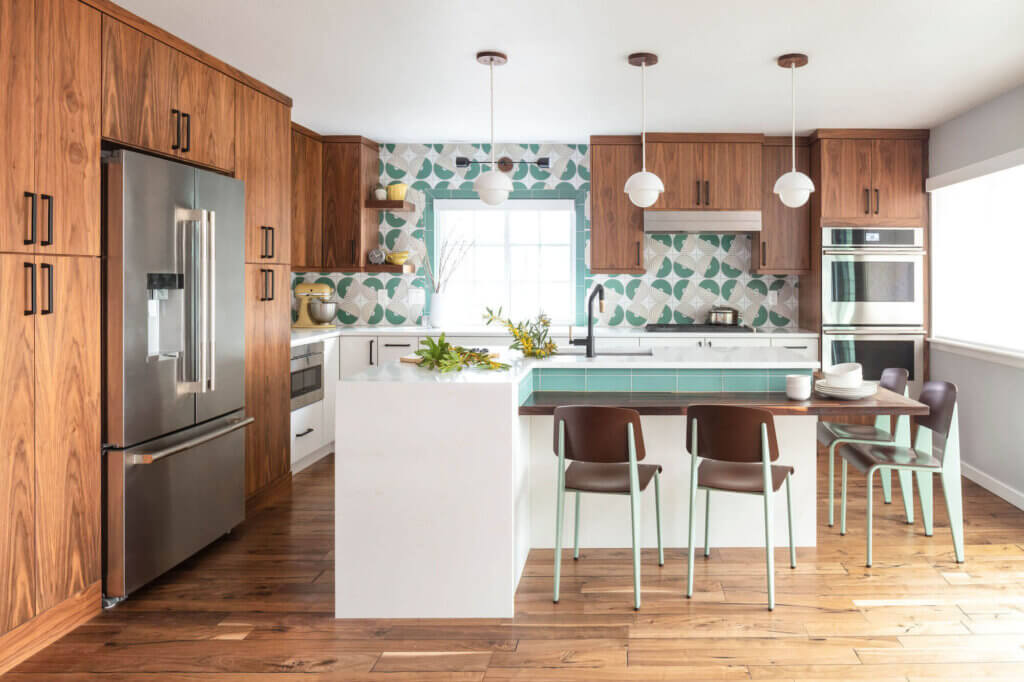
The all-white kitchen had a long run. For close to a decade, white cabinets, white subway tile, and gray quartz countertops dominated Denver kitchen remodels. That era is winding down, as homeowners gravitate toward warmer tones.
In today’s modern kitchens, you’ll find rich wood cabinetry, soft sage greens, earthy terra cottas, and matte finishes that feel more grounded. Natural stone with visible movement and veining is replacing the polished, uniform look. Many homeowners want kitchens with depth and personality—spaces that feel lived-in.
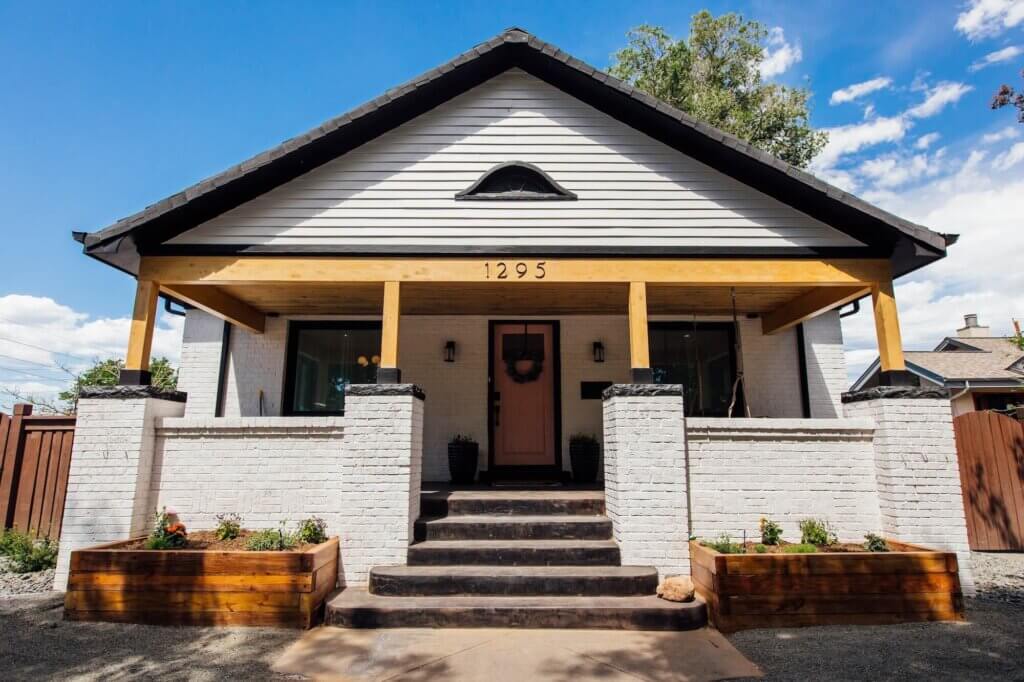
This shift works well for Denver’s older homes. Many of the bungalows and craftsman-style homes in neighborhoods like Park Hill, Platte Park, and Congress Park already have warm character built into their bones: original woodwork, brick fireplaces, and textured plaster. A warmer material palette ties a remodeled kitchen back to the home’s existing character.
Designing for How You Live
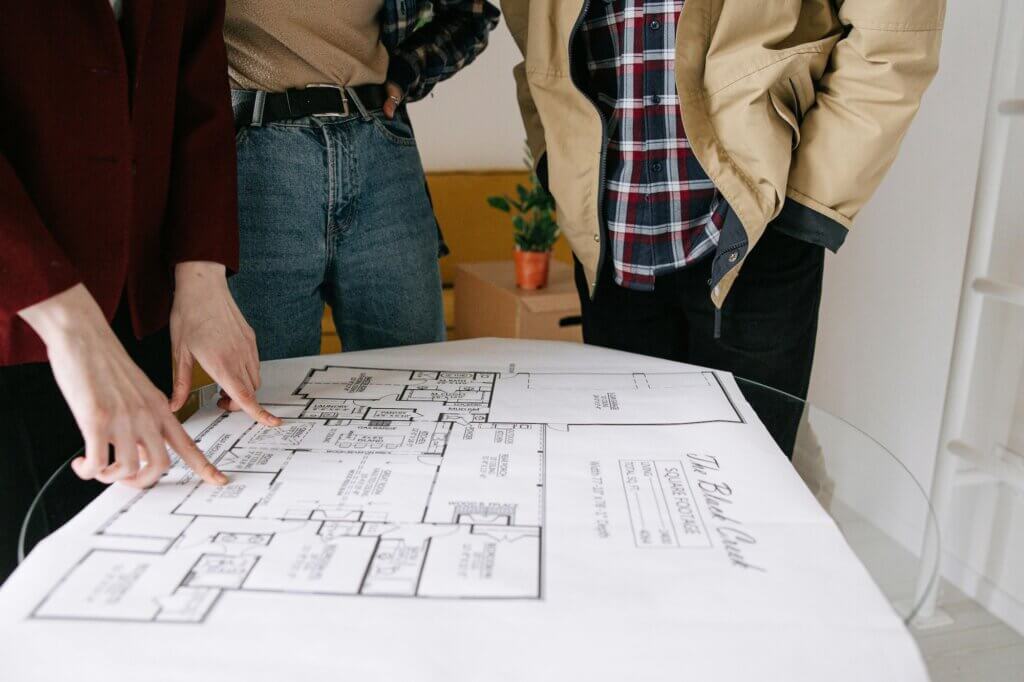
Open floor plans aren’t budging, but homeowners are approaching them differently. Instead of removing every wall to create one massive room, people want more intentional layouts. These spaces feel connected, but they still have definition.
A homeowner might opt for partial walls or cased openings that maintain sightlines while giving rooms a sense of purpose. They could have a kitchen island that doubles as a homework station, or a flex room off the main living area that functions as a home office or playroom, depending on the day of the week.
Remote and hybrid work accelerated this trend. Homeowners who spent the past few years working from their dining room tables are ready for a dedicated workspace. But they don’t want to sacrifice an entire bedroom to get it.
The modern layout accommodates work, family time, and quiet moments without needing more square footage. This is a design challenge, but it’s easier to solve with a design-build approach, where there’s collaboration between creating the floor plan and starting construction.
Spa-Inspired Bathrooms with Functionality
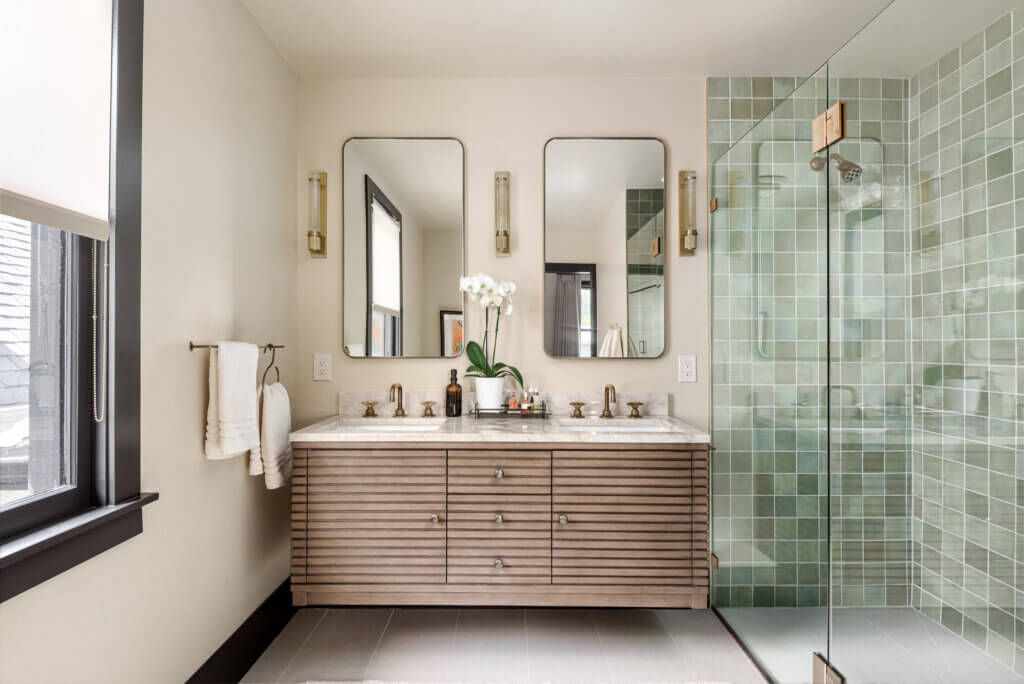
We’re seeing walk-in showers with frameless glass, freestanding soaking tubs, heated floors, and soft ambient lighting show up more frequently in Denver primary suite remodels. But functionality is starting to overshadow pure aesthetics.
Homeowners want dual vanities with usable storage, not floating shelves that look clean but offer little space for your bathroom essentials. They’re also asking for digital temperature controls and low-flow fixtures that reduce water usage without sacrificing the shower experience.
In Denver, primary bathroom remodels cost between $80,000 and $120,000+, depending on your finishes and scope. With such a big investment, you want to choose timeless materials like natural stone and matte finishes over trendy metallics to keep your space looking modern over time.
Indoor-Outdoor Living, Colorado Style
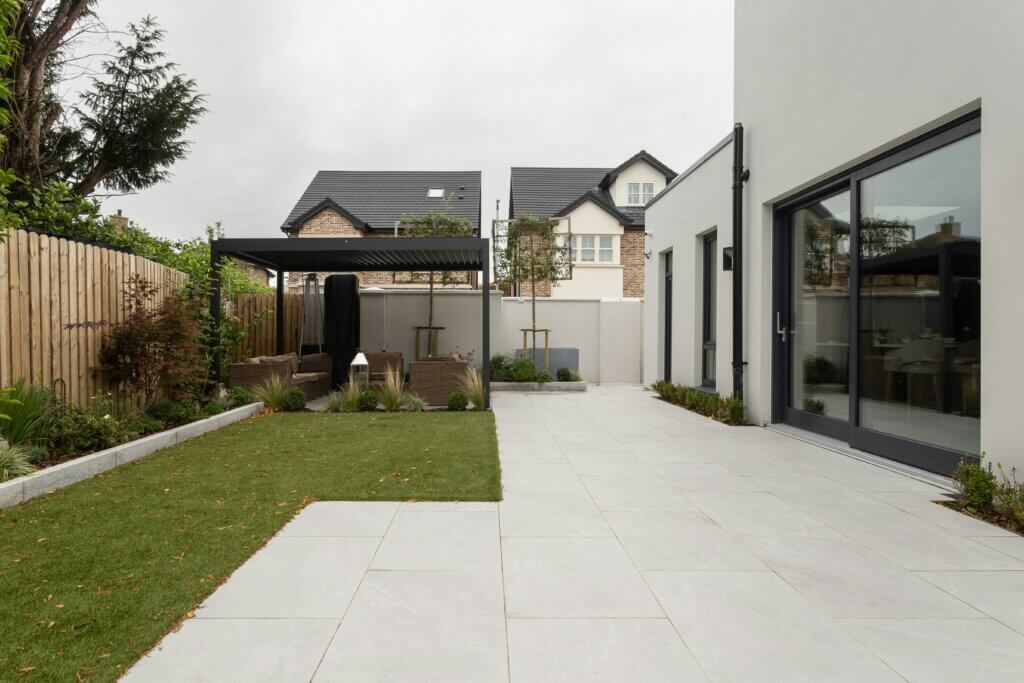
Colorado homeowners have always valued their outdoor spaces. But in 2026, the connection between the indoors and outdoors is getting more intentional. Homeowners are choosing seamless transitions, like large glass doors that blur the line between interior living areas and outdoor entertaining spaces.
Covered patios, outdoor kitchens, and defined seating areas that feel like an extension of the home are more common in Denver renovations. But in Colorado, the key is designing spaces that are usable throughout the seasons. Covered structures offer protection from the sun and snow, while durable materials can handle Denver’s temperature swings.
This trend goes hand-in-hand with Denver’s pop-top and addition projects. When you’re ready to reconfigure your home’s layout, it’s a great time to rethink how the main living areas relate to the backyard.
Sustainability That’s Affordable
In 2026, energy-efficient upgrades are standard. High-performance windows, improved insulation, heat pump systems, and induction cooktops are better for the environment, and they lower your monthly utility costs.
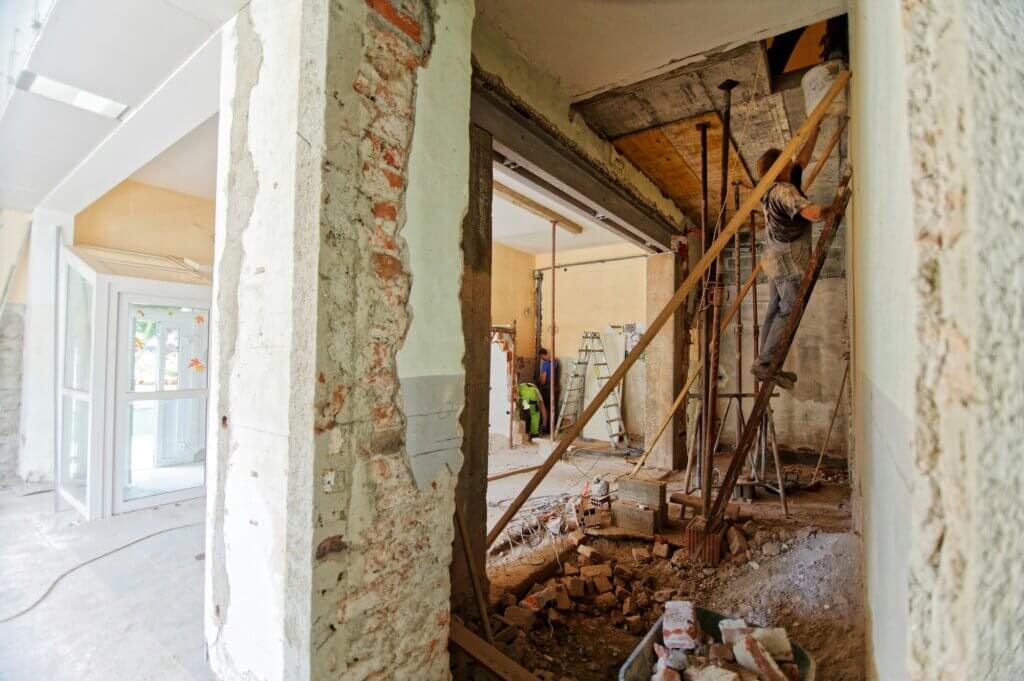
If you’re renovating an older home, these upgrades are often long overdue. Many homes in established Denver neighborhoods still have original single-pane windows, outdated HVAC systems, and minimal insulation. A gut renovation or whole-house remodel is the most cost-effective time to bring systems up to current standards.
When it comes to finishes, low-VOC paints, sustainably sourced wood, and recycled-content materials are now readily available at price points that rival conventional options. You don’t have to pay a premium to make more eco-conscious design choices.
Aging in Place Is Shaping Layouts Earlier
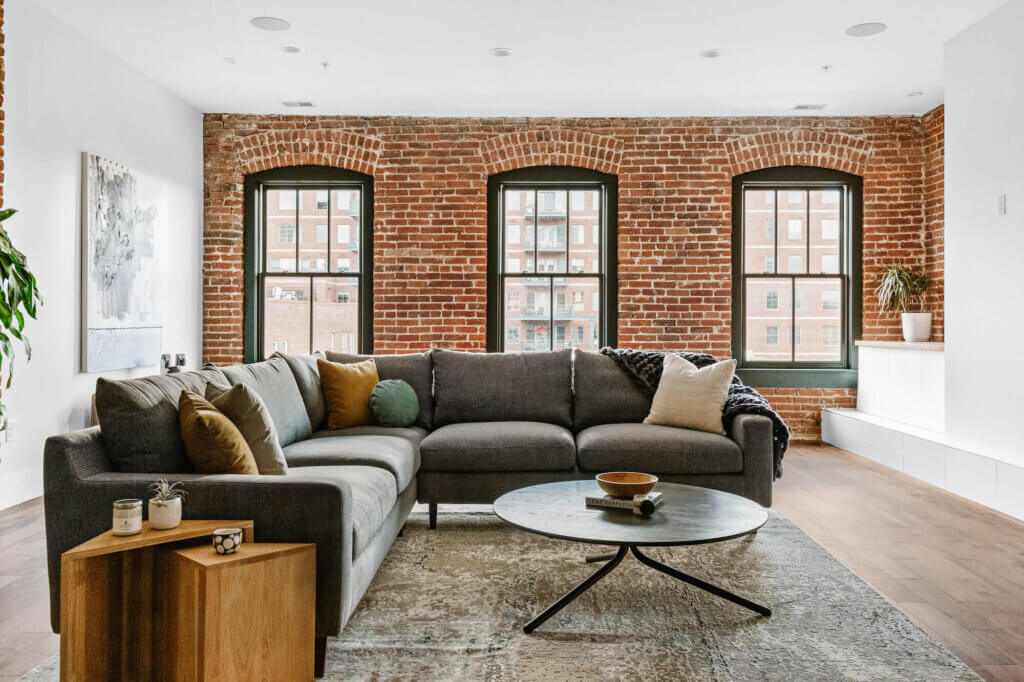
One major shift in 2026 renovation planning is that homeowners are thinking about long-term accessibility, even when they don’t need it yet. According to the 2026 U.S. Houzz Renovation Plans Report, nearly two-thirds of renovating homeowners expect to stay in their current home for 11 years or more. That long-term mentality is driving demand for features like curbless showers, wider doorways, single-level living options, and easy-reach kitchen storage.
This trend is especially relevant in Denver’s established neighborhoods, where homeowners love their location and community, but may live in a two-story home that won’t be as functional in 15 or 20 years. Main-floor primary suite additions and first-floor laundry are two of the most common requests.
The smart approach is to build accessibility into the design so you don’t have to retrofit it later. It costs much less to install a curbless shower during a bathroom remodel than to tear out a brand-new shower in a few years.
Choosing Trends That Work for Your Home
Before committing to any trend, consider how it fits with your home’s existing architecture, your neighborhood, and how long you plan to stay.
A design-build team can help you sort through inspiration and make choices that fit your home and your budget. When your designer and builder work together, you get honest feedback on what a trend will actually cost and how it will perform in Colorado’s climate. Trends are temporary, but functional design is timeless.