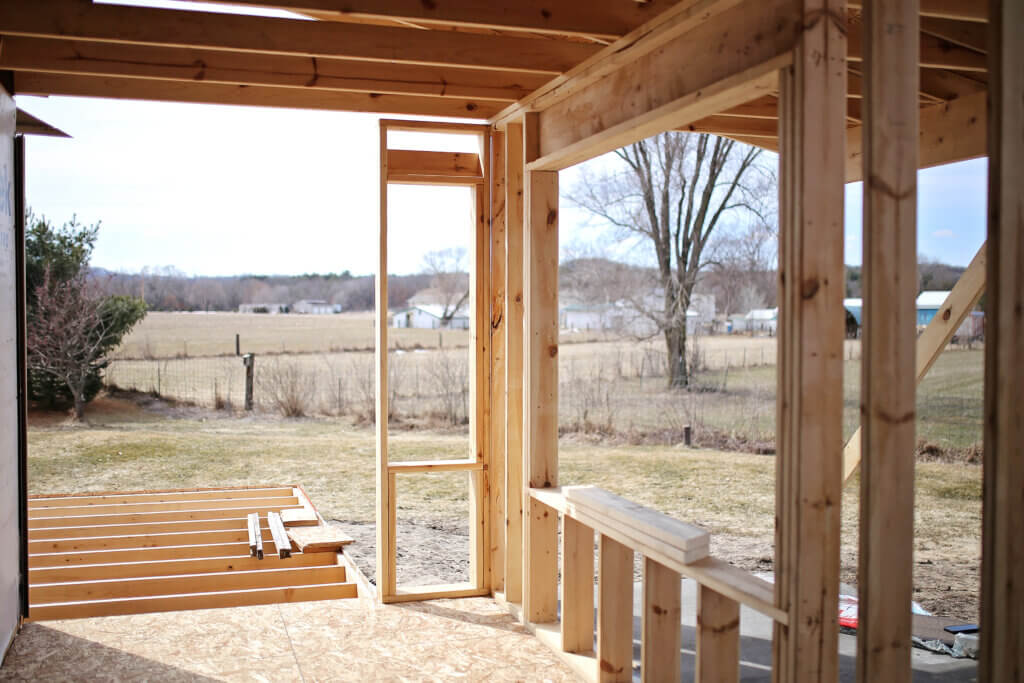

If you’re fixing up a house in Denver, where you spend your budget matters. Some projects pay off when it’s time to sell, but others aren’t worth the hassle and investment.
Here is a look at what actually pays off in our market right now.
Kitchen Remodel
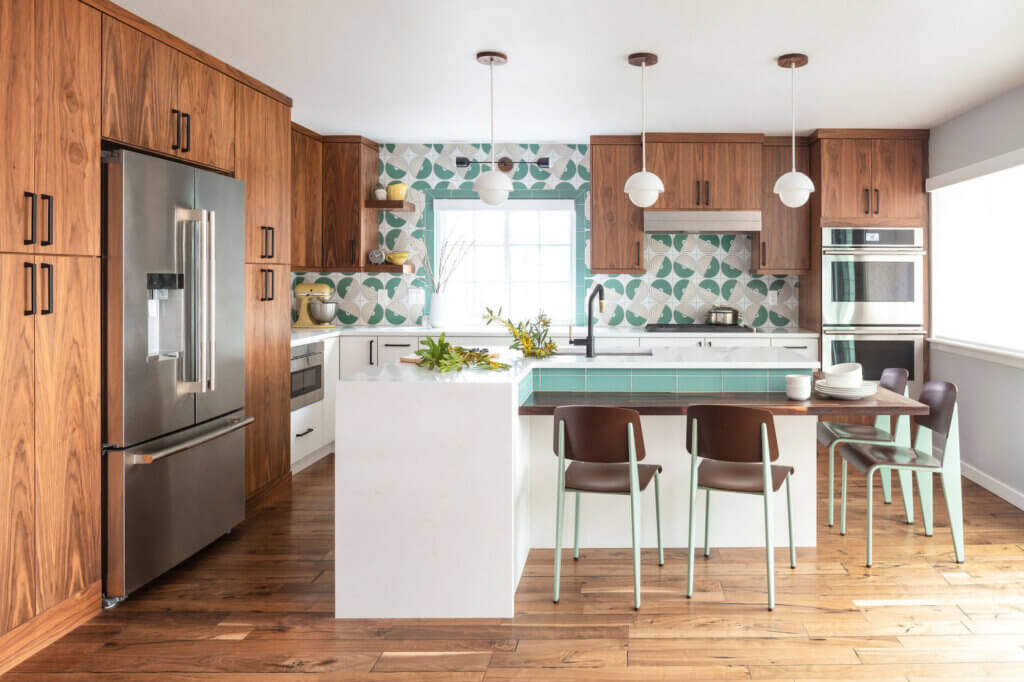
If you’re going to put money into one room, make it the kitchen. In most Denver markets, from Wash Park bungalows to Highlands craftsman homes, the kitchen is the space buyers remember. It’s also where sellers see the strongest return.
When it comes to kitchens, buyers care most about the basics: a layout that flows into the living room, enough cabinet space to hide appliances, and countertops that can handle everyday use without staining. You don’t need a built-in espresso machine or wild tile to sell a house; in fact, being too bold can backfire.
The 2025 Remodeling Cost vs. Value Report backs this up: when it comes to the best home renovations for ROI, minor kitchen remodels in the Denver market return around 96% of their cost at resale. Major overhauls return closer to 50-60%.
Keep in mind that mid-range updates almost always give you a better return than high-end luxury overhauls. If you’re selling soon, keep it simple and clean. If you plan to live there for the next 10 years, go ahead and splurge on the things you’ll love using every day. Just know you’re buying that joy for yourself, not the next owner.
Curious what a kitchen remodel actually costs in the Denver market? We break it down here.
Bathroom Remodel
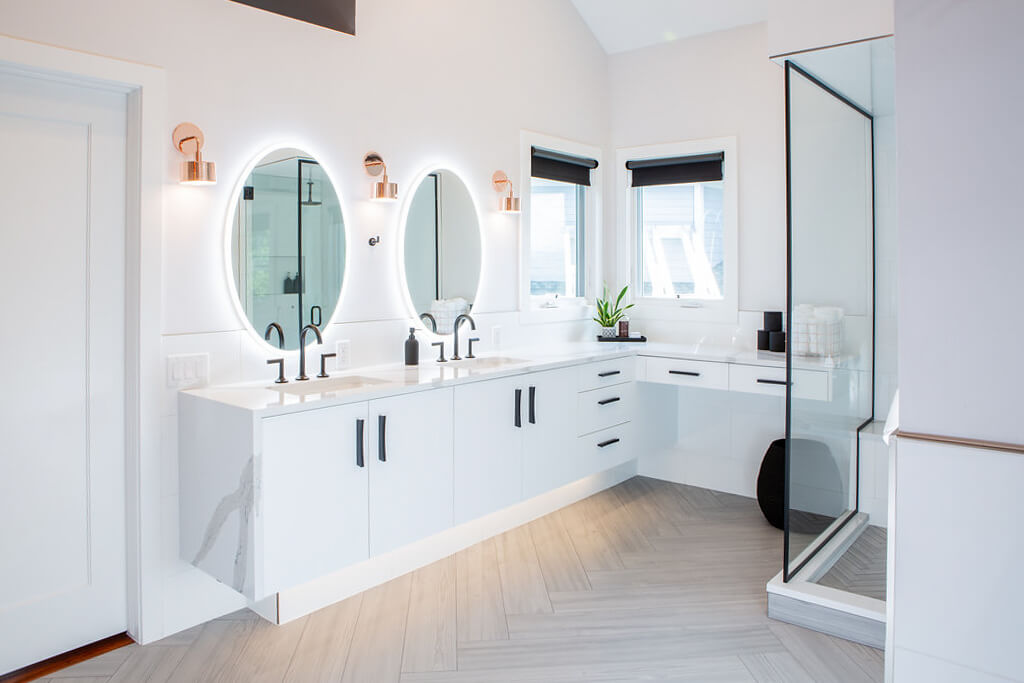
If you have to choose between fixing up the primary suite or the hallway bathroom, always start with the primary. That’s the one buyers actually judge, and it’s where you’ll see the biggest impact on your appraisal.
Buyers in Denver want that clean, relaxing feel, with double vanities, great lighting, and a walk-in shower with a frameless glass door. You don’t need to spend a fortune on a luxury wet room; just make it look bright, modern, and immaculate.
If you have extra cash left over, a quick facelift in the guest bath is great, but don’t pull funds away from the main suite to do it.
Adding Square Footage
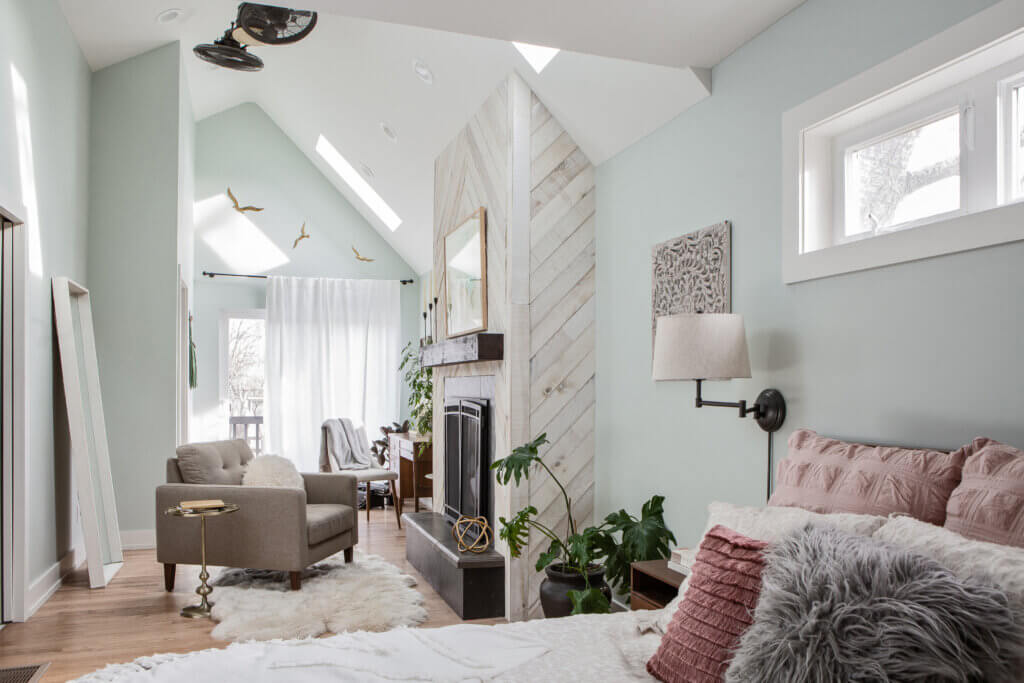
In landlocked Denver neighborhoods where lots are tight, expanding your space is a massive value-add. Putting on a second-story pop-top or adding a true primary suite can completely launch your home into a higher price bracket.
The trick here is making sure the new space doesn’t look like an afterthought. If you want buyers and appraisers to respect the upgrade, the addition needs to flow seamlessly from the original house. That means matching the old trim, keeping ceiling heights consistent, and making sure the transition feels natural.
When an addition looks like it’s always been part of the home, it’s one of the smartest investments Denver homeowners can make.
Curb Appeal and First Impressions
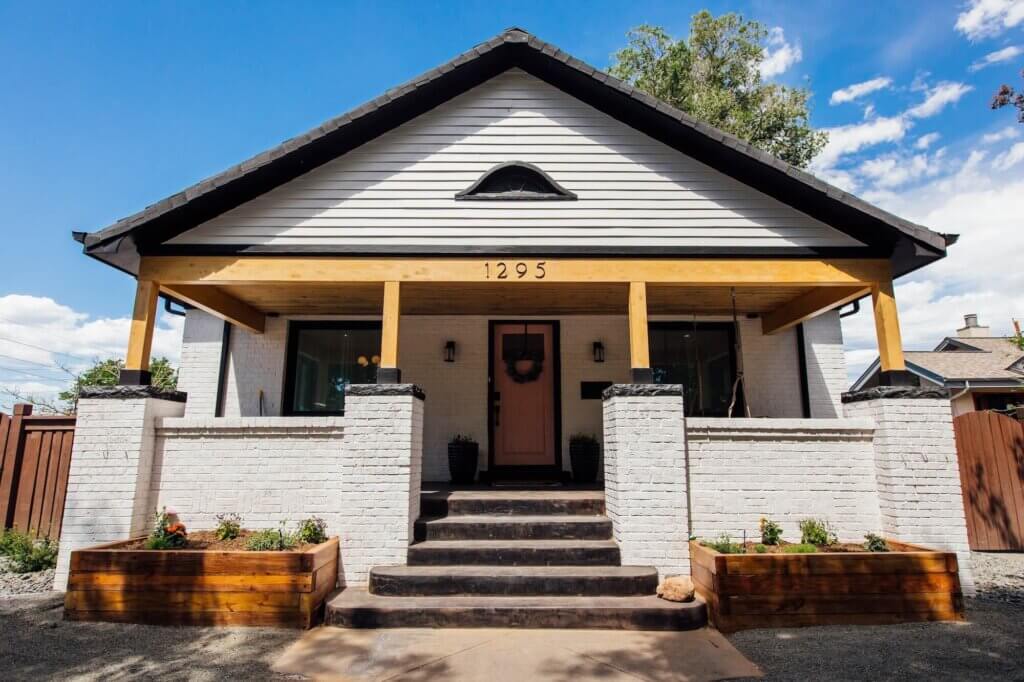
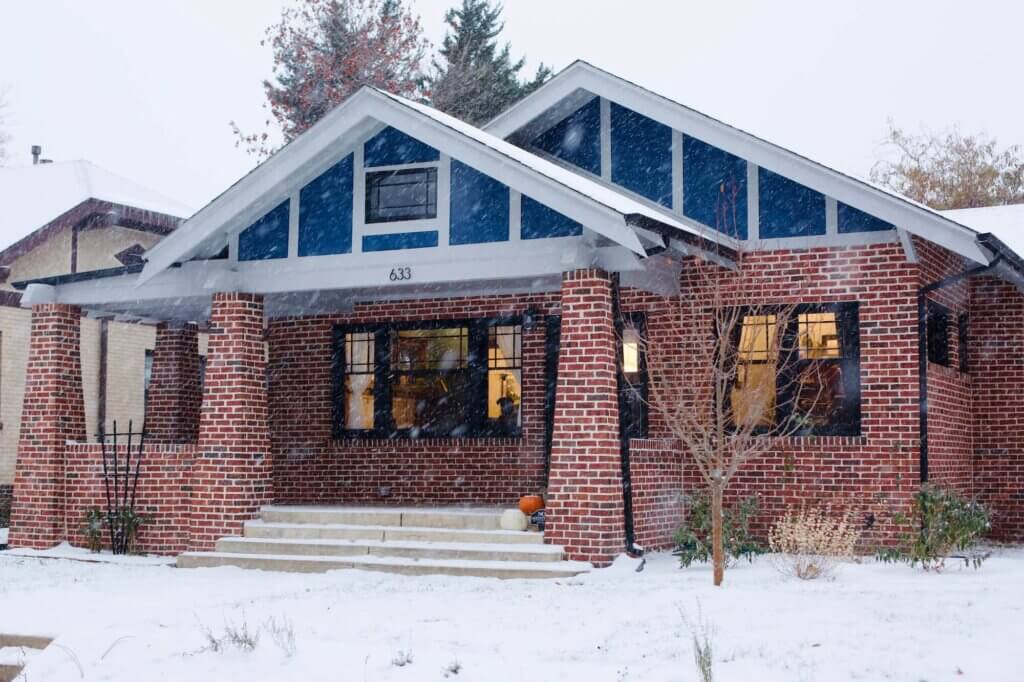
Buyers form an opinion of your property before they even open the car door. Fresh exterior paint, a clean driveway, updated house numbers, and a welcoming front door set the stage for how they’ll view the rest of the house.
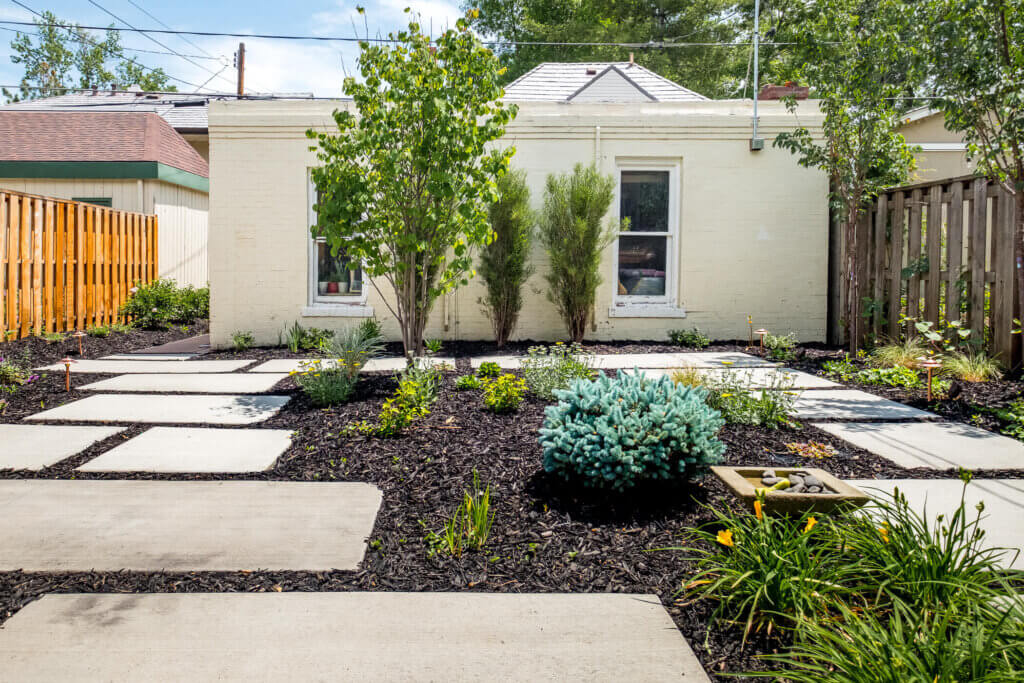
Because we get so much sunshine in Denver, curb appeal includes the front and back yards. Buyers want a usable outdoor space with a patio, some privacy from neighbors, and easy landscaping.
Xeriscaping is also a huge selling point. It tells buyers they won’t have to spend their weekends mowing a massive lawn or watching their water bills skyrocket. Keeping your outdoor spaces clean and low-maintenance gives you a massive return for a pretty modest upfront investment.
Energy Efficient Upgrades
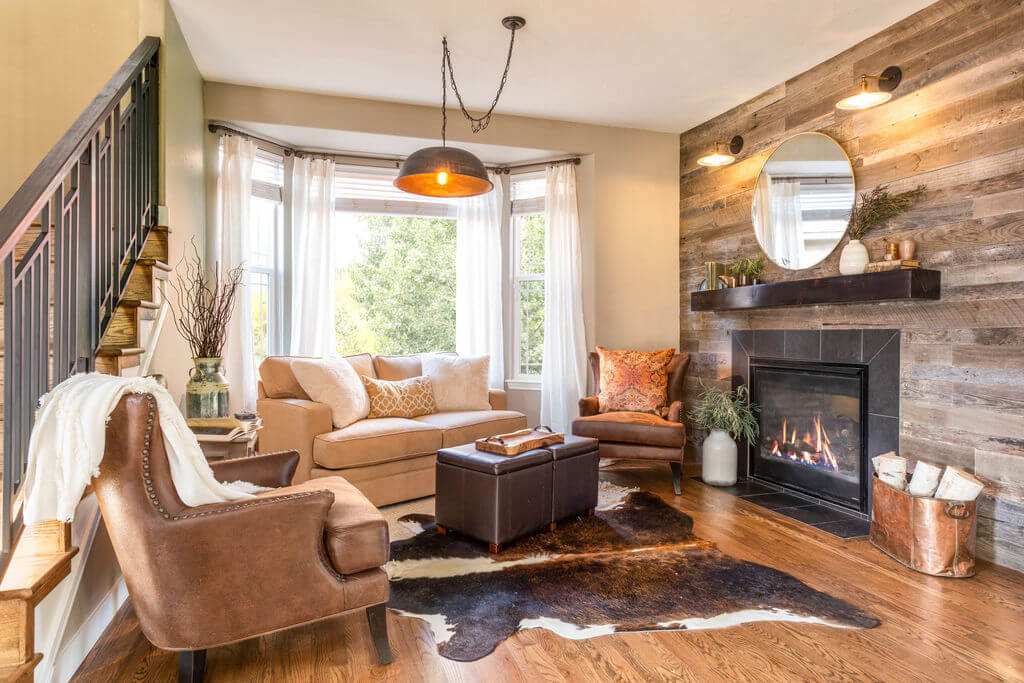
Denver’s weather is tough on houses. Between the freezing winters, scorching summers, and the intense high-altitude sun, utility bills can quickly get out of hand.
Buyers care about energy efficiency. Upgrades like newer windows, solid insulation, and modern HVAC systems are major selling points. But these systems do more than preserve equity; they also protect you during inspections.
For example, if you’re trying to sell a 1960s or 70s ranch with the original single-pane windows, a buyer’s inspector will flag it immediately. Upgrading these systems ahead of time keeps your bills low while you live there and removes potential buyer sticking points when you go to sell.
Open Layout Conversions
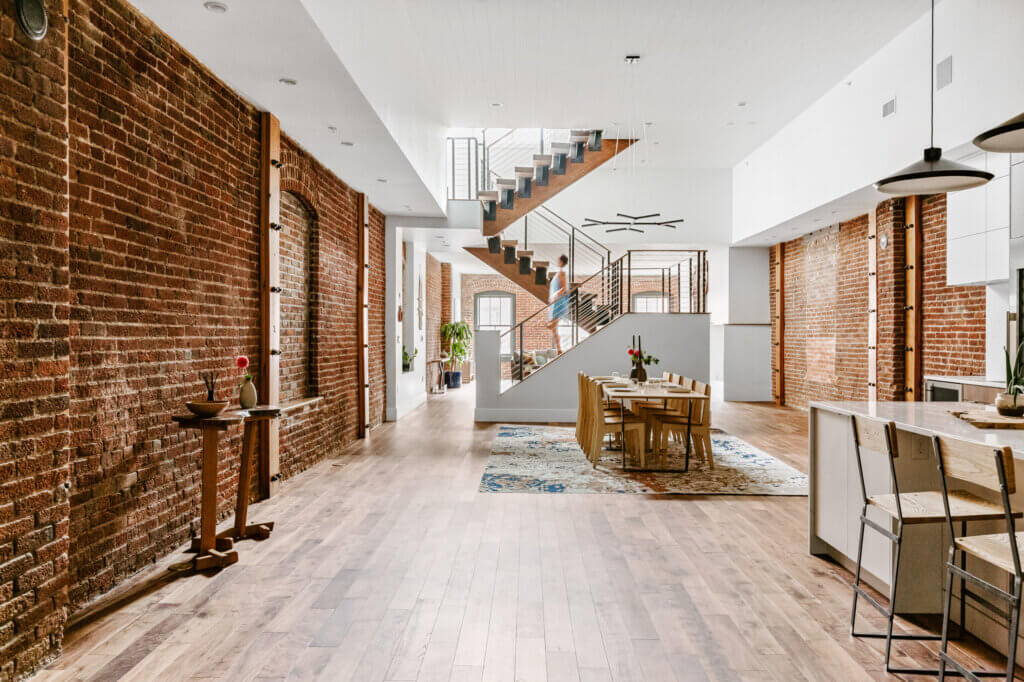
Walk into an older home in Arvada, Lakewood, or Central Park, and you’ll likely find a layout built for a different era. Today, opening up the kitchen to the dining or living area is at the top of almost every buyer’s wish list. Plus, it makes a huge difference in your listing photos, which is where buyers first fall in love with a house.
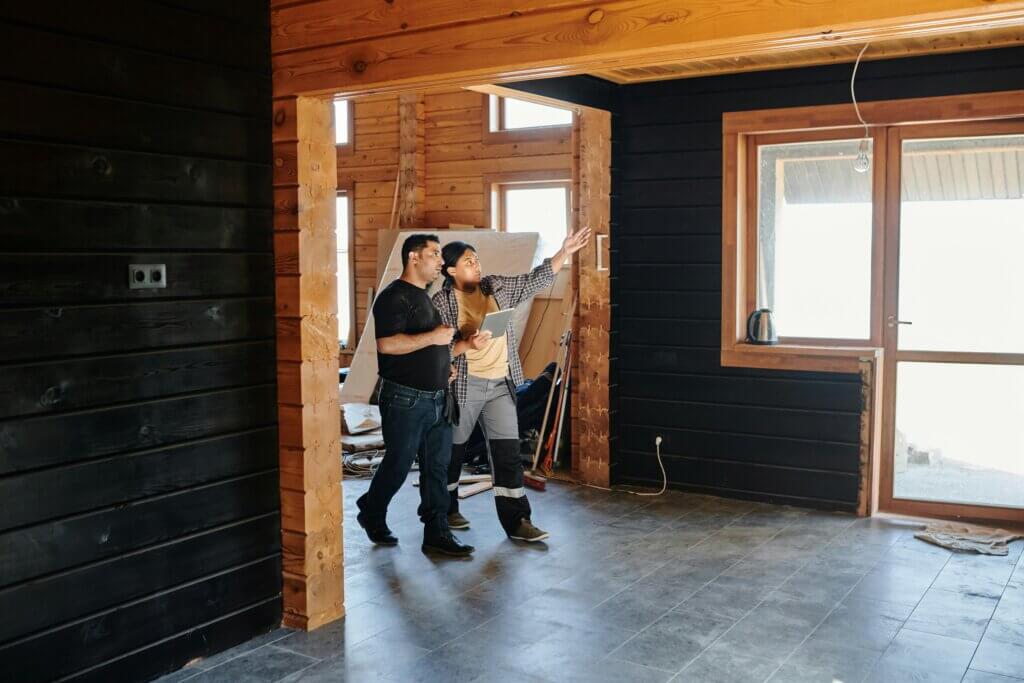
Just remember that knocking down walls requires planning. If a wall is load-bearing, you’ll need structural engineers and heavy header beams to keep the roof up. It’s worth every penny, but you need to budget properly and work with a team that handles both the design and engineering. When done right, an open layout can completely redefine your home’s look and feel.
What Not to Spend Money On
Over-customizing a house can easily hurt your resale value. Converting a garage and losing your parking spot, adding a pool in a neighborhood where no one else has one, or picking highly specific tile and paint colors that only appeal to you—these are the projects where you lose money.
The same goes for over-improving a home for its location. Buyers look at what the neighbors’ houses are selling for. If homes on your street cap out at $700K, and you put $200K into ultra-luxury finishes that belong in a million-dollar neighborhood, you’ll never get that money back at closing.
Why How You Renovate Matters as Much as What You Renovate
Good execution turns the money you spend on a renovation into resale value. A smooth, well-managed kitchen remodel that stays on budget and finishes on time delivers the exact kind of return you want.
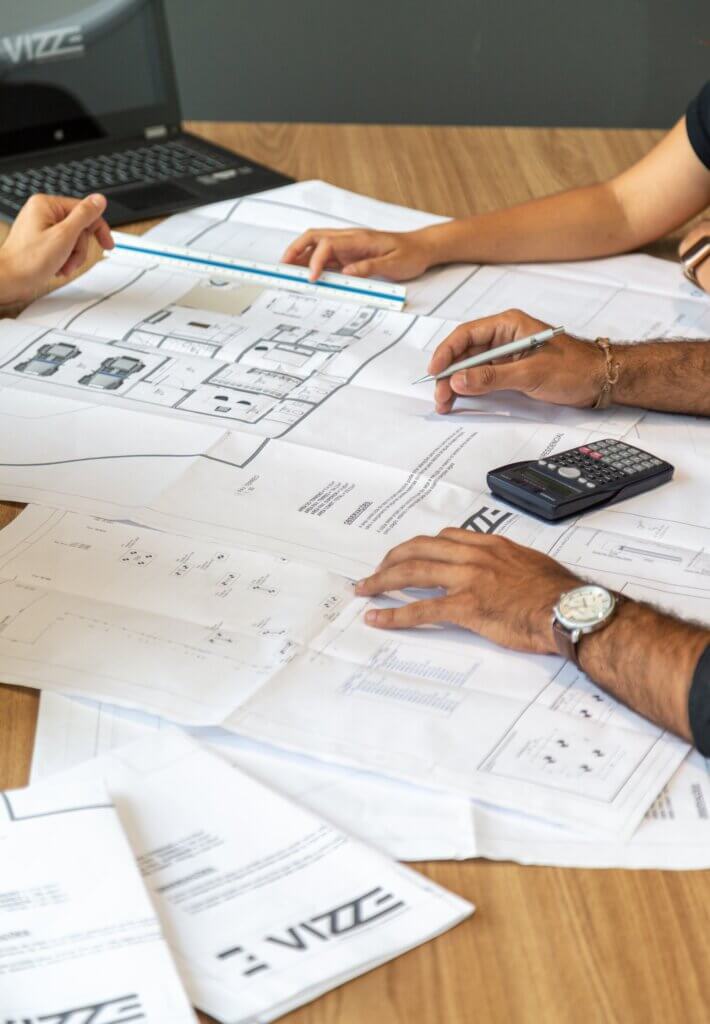
This is exactly why an integrated design-build approach works so well. When the team designing your space is the same team building it, budget accountability factors in from day one. There’s no finger-pointing between an architect and a contractor, which eliminates the miscommunications that lead to expensive change orders.
In a busy market like Denver, where finding a reliable home remodeling contractor is competitive and timelines can easily go off the rails, having that single point of contact makes a massive difference.
Want to see how a design-build contractor keeps projects on track? Explore how the design-build process works.
Ready to talk about your next project?
Reach out today to get started.